The short answer: an installation pays once. Recurring revenue comes from staying with the building after handover, and most of the industry is set up so the installer never does. The big platforms sell at head office, pay local installers for the install, and move on. The installer has no reason to come back and no tools to help remotely, so every problem becomes a truck, and the owner pays for every truck. The Della model is the opposite: the integrator makes the sale, earns on the project and on the software every month after, installs with purpose built tools, and can see what is wrong before anyone drives anywhere. That is where the recurring revenue is, and it is also what the owner is buying.
How most platforms treat the installer
Walk through how the large smart building platforms reach a property. The deal is made at head office, between the platform and the owner. Then the platform goes looking for local labor. It pays an installer for the install, the installer finishes the job, and leaves.
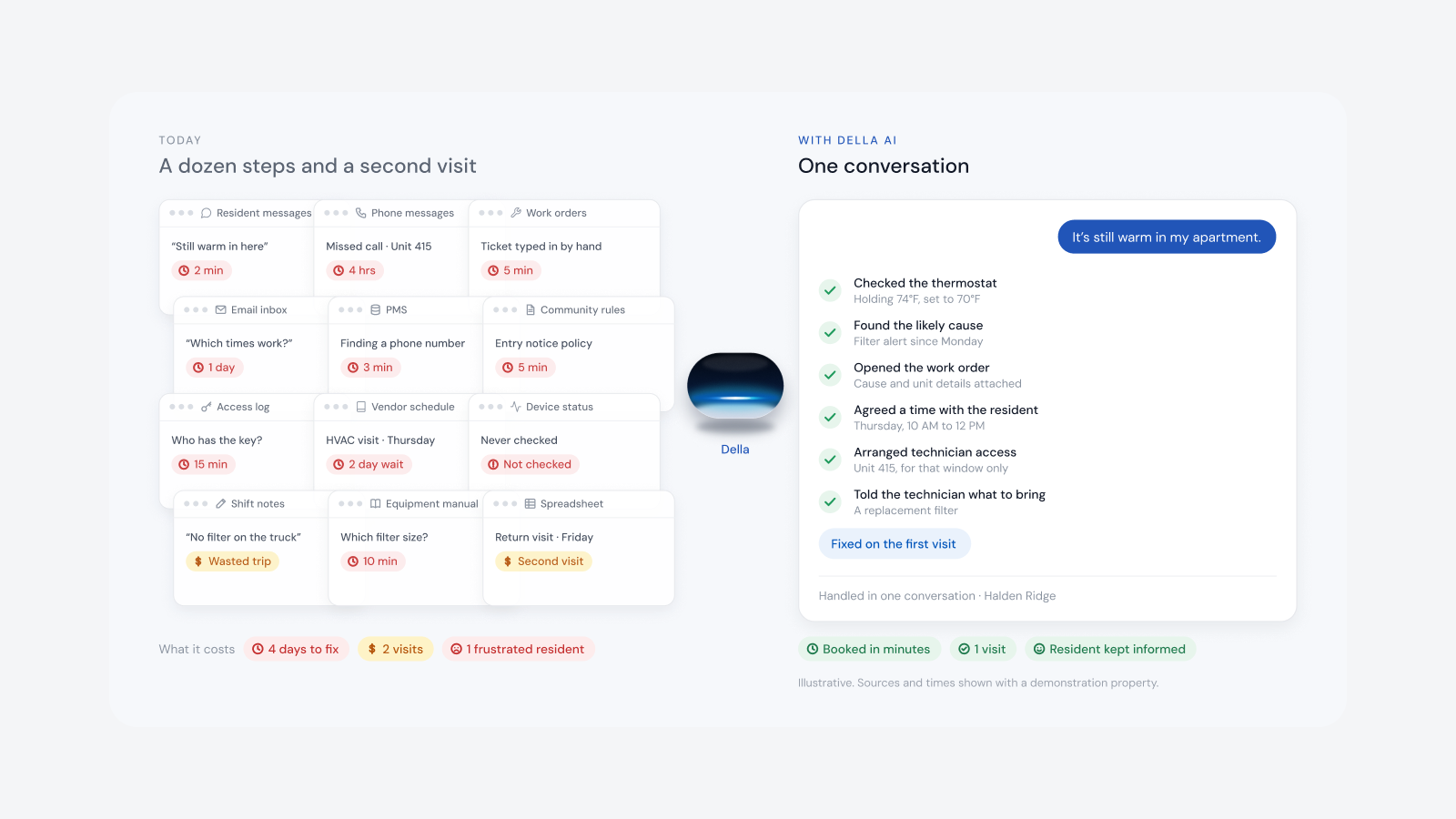
Nothing in that arrangement brings the installer back. They have no share of the software, no relationship with the owner and no stake in whether the building keeps working. And when something does fail, they have nothing to work with: no view of the devices, no way to tell a dead battery from a network fault. The only tool is a truck.
Who pays for the trucks
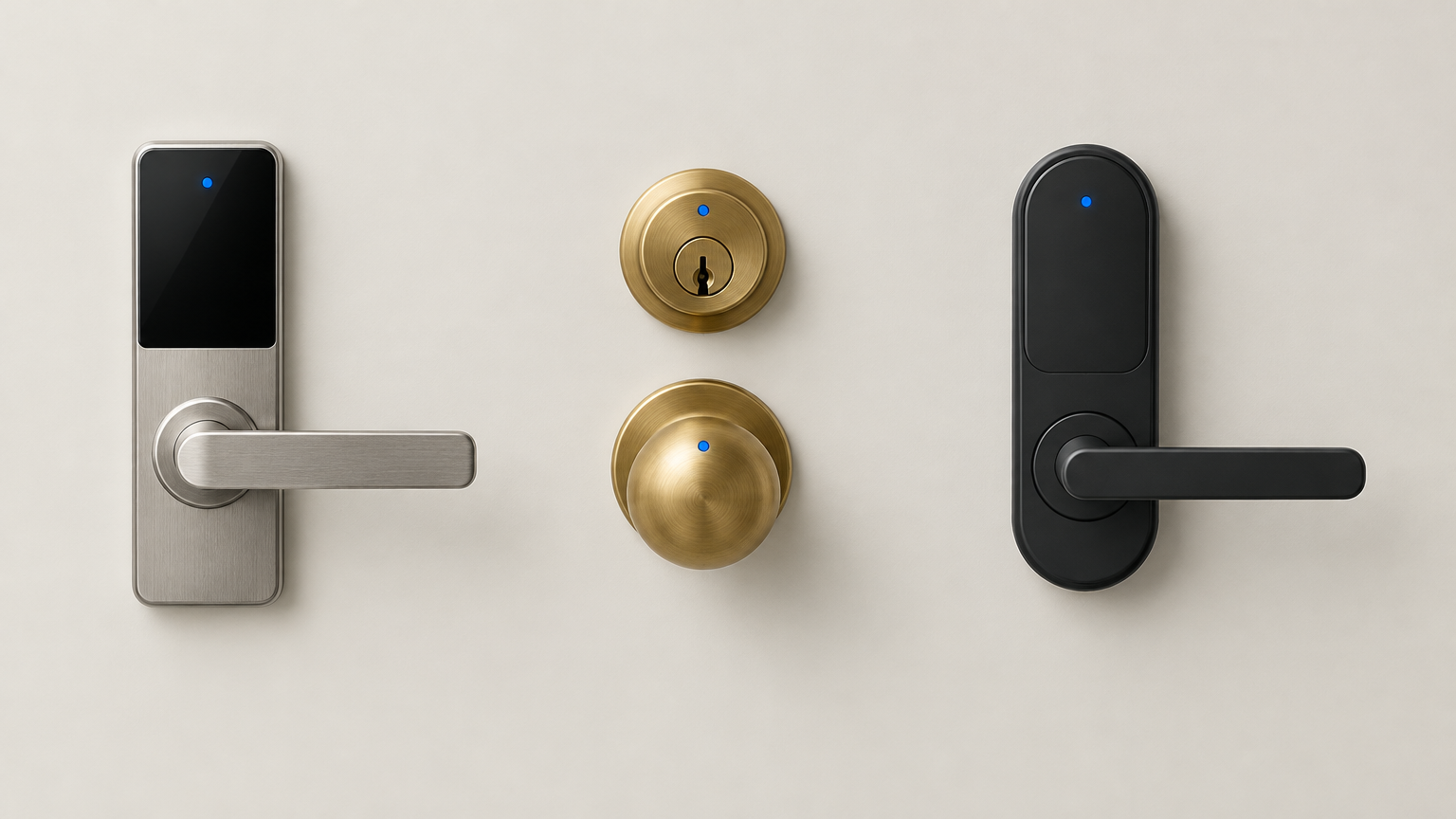
The owner does. A smart lock that stops responding, a thermostat that drops offline, a reader that needs a setting changed: each one is a technician driving across town to find out what is wrong, and often driving back a second time with the part. Across a portfolio, service calls become a permanent line of operating expense, and the technology that was supposed to lower costs starts adding to them. Many of those calls are for something as simple as a battery, which should never need a service visit at all.
The Della model
Della sells with its integration partners, not around them, and the partner is involved from the first conversation.
- The integrator makes the sale. Certified partners keep their own pipeline and their own client relationships. Della is behind them with training, joint selling and higher level technical support, not in front of them.
- No middleman on hardware or labor. Della sells no hardware and takes no margin on installation labor. The partner buys equipment through its own channels and prices its own work, so there is no platform markup sitting between the owner and the people doing the job. The partner stays healthy, and the owner pays less for the same equipment.
- The partner earns every month after. Della keeps its own margin low so the partner earns on the monthly software through the partner program as well as on the project. A partner who is paid every month has a reason to keep the building working.
- Better tools to install with. Each building is designed in Mission Control, installed and commissioned with Mission Installer, and InSync checks that every installed device matches the design. Problems are caught at commissioning, not months later.
- Diagnostics before trucks. Mission Control shows the health of every connected device: online or offline, battery level, last report, configuration. A low lock battery becomes a scheduled visit or a resident swap, not a service call. When a truck is needed, the technician arrives knowing what to fix.
What this means for the owner
The owner gets a partner who stays, because the partner is paid to stay. The owner gets better pricing on equipment and labor, because nobody in the middle is marking them up. And the owner gets the same visibility the partner has: what is wrong, where, and whether it needs anyone on site. Fewer service calls, faster fixes when they are needed, and a clear answer to the question that usually starts a dispute: is this the hardware, the network or the software?
How to build recurring revenue, step by step
- Choose a platform that sells with you. Ask who owns the customer relationship, and whether the platform takes a cut of hardware or labor. Get both in writing.
- Get certified. Depth on one platform beats a little knowledge of five.
- Design in Mission Control and install with Mission Installer. The same design, naming and layout from building to building, so the second building is faster than the first.
- Price support as a plan. What is included, the response times and what is billed separately.
- Monitor what you installed. Batteries and offline devices are visits you schedule, not emergencies you answer.
- Review each account. What the property still does by hand, and what the owner's next building needs.
Where Della OS fits
Della OS is the smart building operating system for multifamily and residential properties, from apartments and student housing to senior living and condominiums. It is delivered by certified integration partners who design each building in Mission Control, install and commission with Mission Installer, and support it with the same device health and diagnostics the owner sees. Della sells no hardware and takes no margin on labor; partners price their own equipment, installation and support and earn on the monthly software through the partner program. Della OS connects the property management system to more than 40 building systems from many manufacturers, so partners specify equipment they already know. Becoming a partner is by application, with no upfront fees or commitments.
Frequently asked questions
How do low voltage integrators earn recurring revenue in multifamily?
By staying with the building after handover: a share of the monthly software, support plans and monitoring of the devices they installed, plus the next capability and the next building.
Why don't installers come back after a platform install?
Because most platforms sell at head office and pay the installer once. With no share of the software, no customer relationship and no remote tools, there is nothing to come back for.
Does Della sell hardware or take a margin on installation?
No. Partners buy equipment through their own channels and price their own labor and support. Della earns on the software, which keeps the partner healthy and the owner's equipment pricing lower.
Who owns the customer relationship?
It depends on the platform, so get it in writing. With Della OS, certified partners keep their own pipeline and local client relationships.
How do diagnostics reduce service calls?
When the partner and the owner can see device health remotely, a low battery or a configuration issue is handled without a visit, and a technician who does go arrives knowing the fault.
Does it cost anything to become a Della OS partner?
No. Della partners with integrators by application, with no upfront fees or commitments, then trains and certifies them.
Read what to look for in a smart building platform for integrators, what a smart building integrator does and how commissioning works, or talk to Della about partnering.