The short answer: decide how the building should operate before you choose the equipment that goes in it. Most new developments do the reverse. Access control, smart locks, thermostats, leak detectors, video entry, Wi-Fi and a resident app are each chosen on their own merits, and how they will work together is left for later. That is choosing the ingredients before designing the recipe. Start with the outcomes: how a resident moves in, how permissions change, how equipment is installed, checked and supported. Then choose technology that fits that design, and bring in the integrator who will deliver it before the specifications are written. Standardize on how your buildings operate, not on a brand of equipment.
How technology usually gets chosen
A developer, an asset manager and a technology consultant sit down with the plans for a new residential tower. They know what they want to deliver: good apartments, strong amenities, smart technology and a premium resident experience at a price the market can afford. The physical building has been considered in detail. Now it's time for the technology.
So they evaluate products. One team compares features. Another negotiates pricing. Procurement looks for savings. Every product has a purpose, every vendor has a good presentation, and taken one at a time almost every decision makes sense. What nobody has established is how all of it is supposed to operate together. Eventually someone says the familiar words: we'll just integrate it.
Why "we'll just integrate it" gets expensive
Picture 15 systems, each with its own interfaces, data, credentials and settings. If each one had to talk directly to every other, 15 systems could mean more than 100 possible connections. Each connection has to be built, tested and maintained, and every product substitution during construction is another chance for something not to fit. The building hasn't opened and the technical debt is already growing.
The integrator usually inherits this. The systems integration company that understands networks, access control, smart locks and commissioning is often brought in after the platform is chosen, the equipment is specified and the contracts are signed. Its job is to make someone else's decisions work together. When something goes wrong later, nobody calls the people who negotiated the deal. They call the integrator.
When the standard is the wrong thing
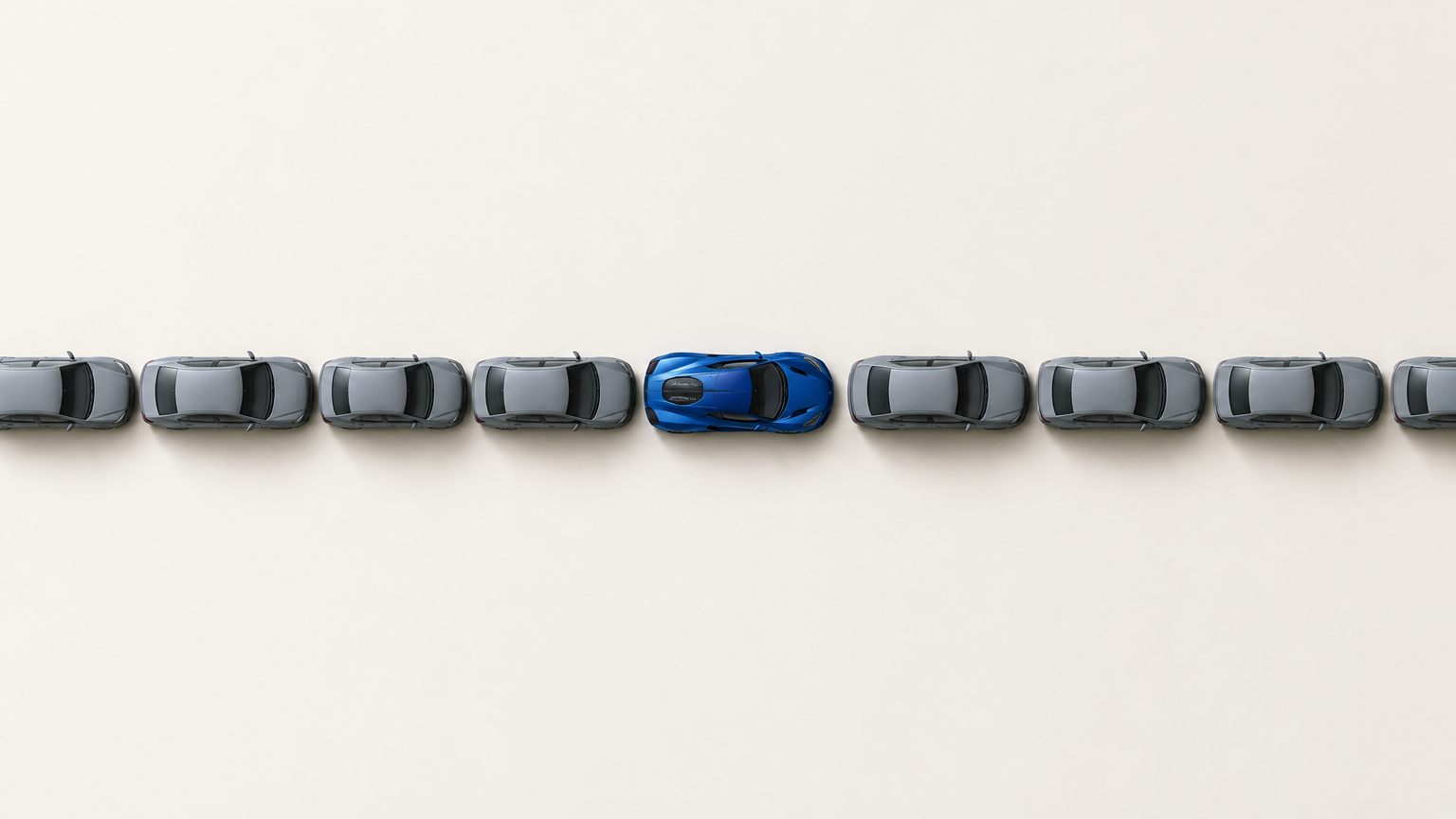
There is a second habit that shapes new buildings. An owner has 10 buildings with a particular lock or access control system. It isn't serving them well, but it is the standard, so it goes into the new building too. "We standardized around that lock" ends the conversation, even when nobody likes the lock.
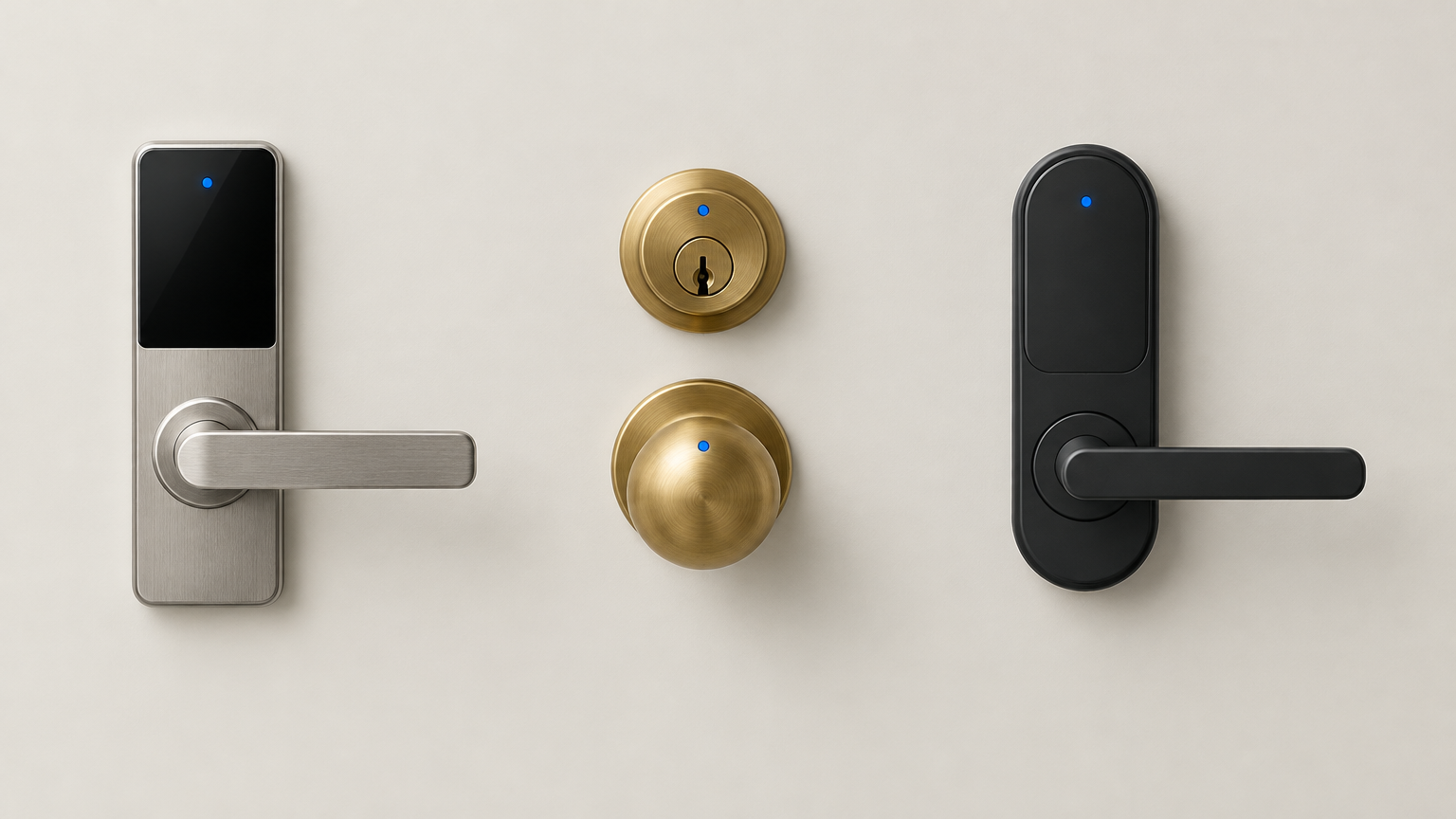
The standard was put in the wrong place. What a building needs from a lock is a short list: is it locked or unlocked, is the door open or closed, is the battery good, does it have signal, is it online, and who is allowed in. Any good lock can answer those questions. What makes a building work is everything that happens on top of them: access that follows the lease, guest passes, entry for maintenance, a warning before a battery runs out, one app for residents and one dashboard for staff.
Standardize on how the building operates and the equipment is free to vary. A new building can have the latest lock, an older one can keep what it has, and an owner can move on from a product it doesn't like without changing how its teams or its residents work.
What it costs after opening
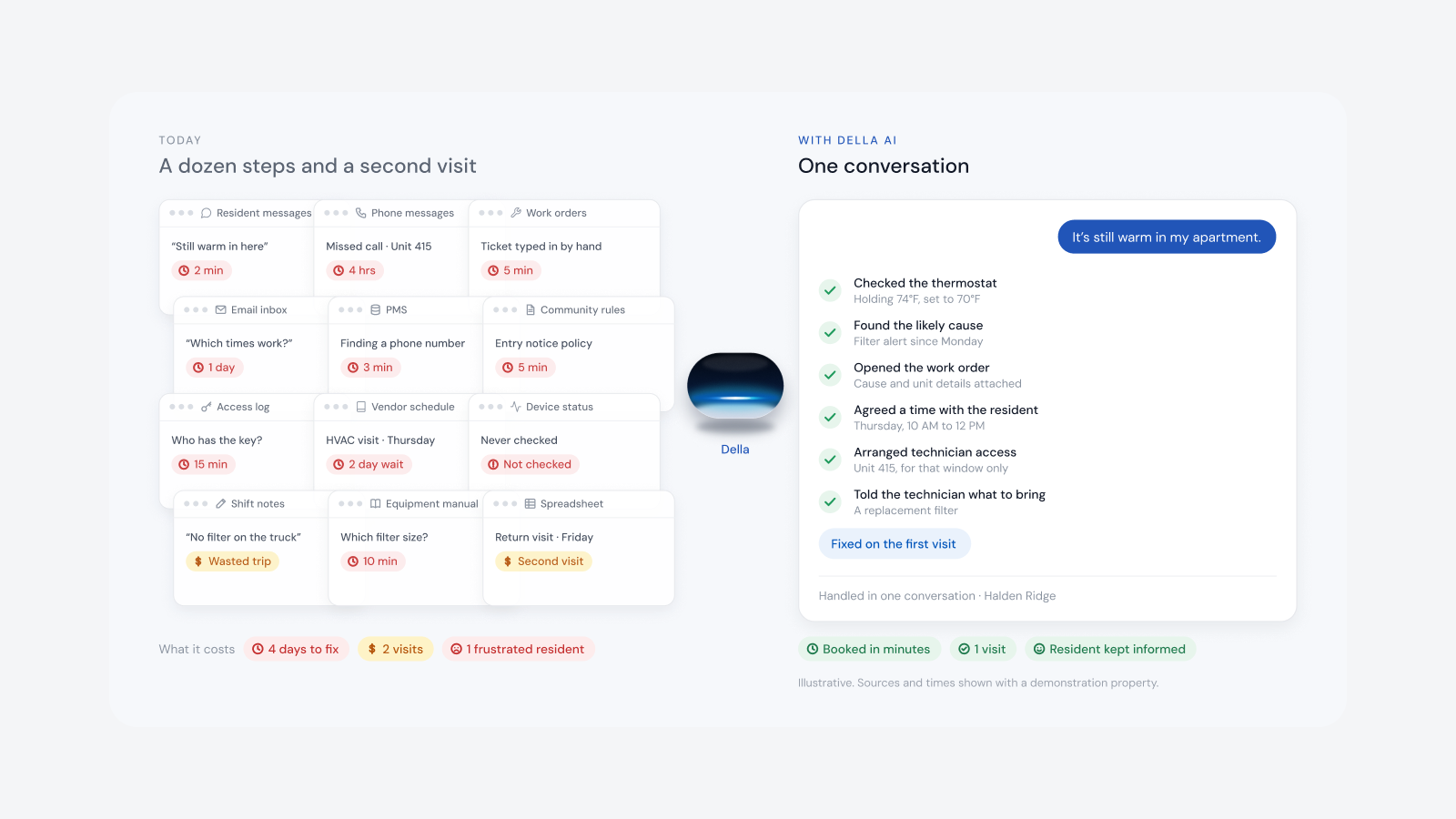
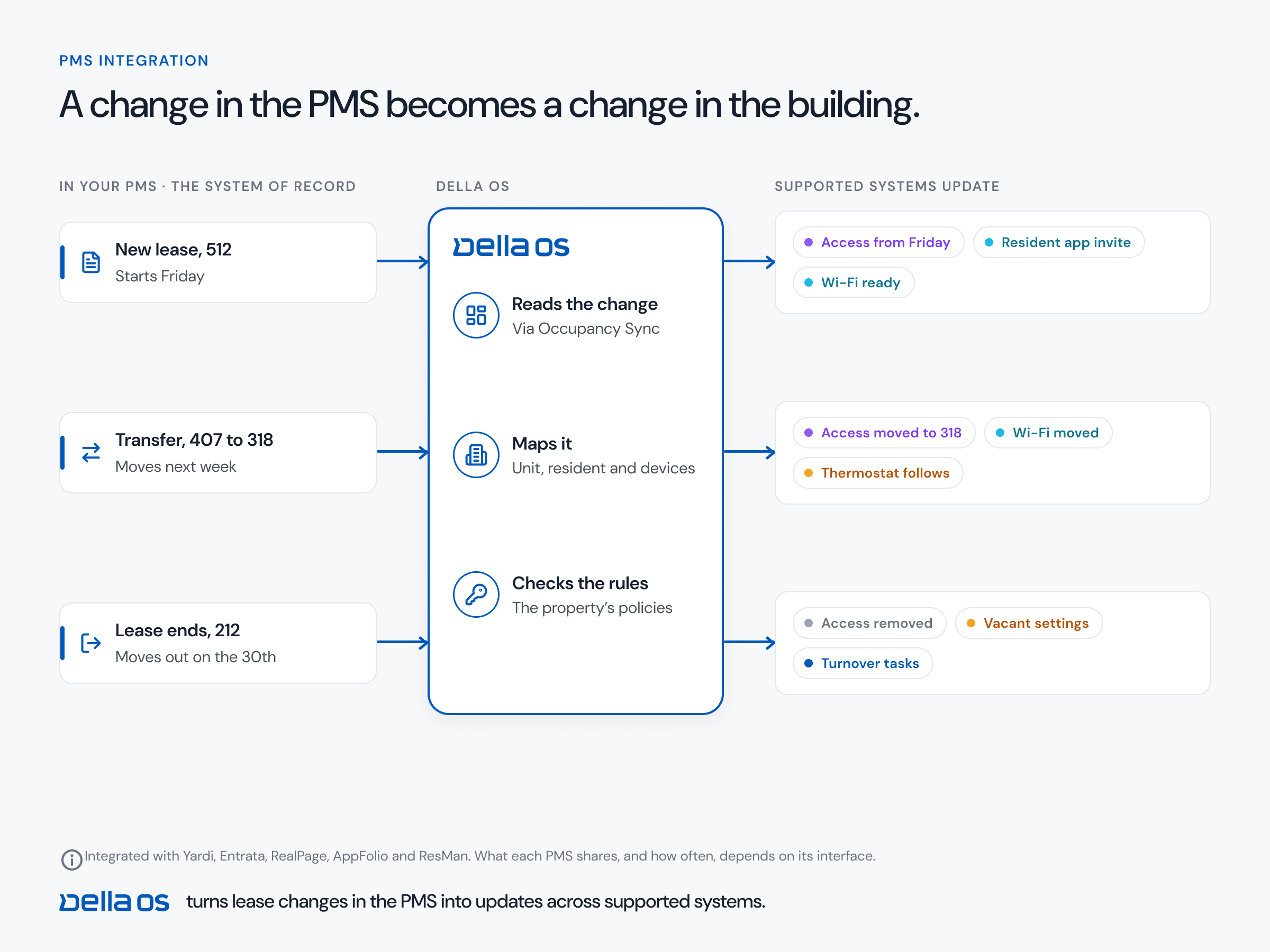
The building opens and looks great. Then residents move in. Someone updates the property management system (PMS), and the site team starts down the checklist: building credentials, smart locks, the intercom directory, amenity bookings, parking and guest access. Different systems, different logins, different procedures. One simple event becomes hours of administration, multiplied across hundreds of apartments.
A few months later, management decides to keep the gym open two hours later. Someone has to update reservations, change the access schedule, tell residents and make sure the app shows the new hours. Then a smart lock stops responding, and nobody knows whether it's the battery, the network or the configuration.
Every product may be working exactly as its manufacturer intended. The building still isn't working as one. The technology was meant to reduce the work. Instead, the people operating the building have become the integration between the systems.
Start with one question
Buildings are designed down to the millimeter: every wall, every pipe, every electrical circuit. The technology that will operate the building for the next 20 years is often assembled from separate decisions, with nobody responsible for the whole. The fix is to begin with a different question: how do we want this building to work?
- What happens in the building when a resident moves in, transfers or moves out?
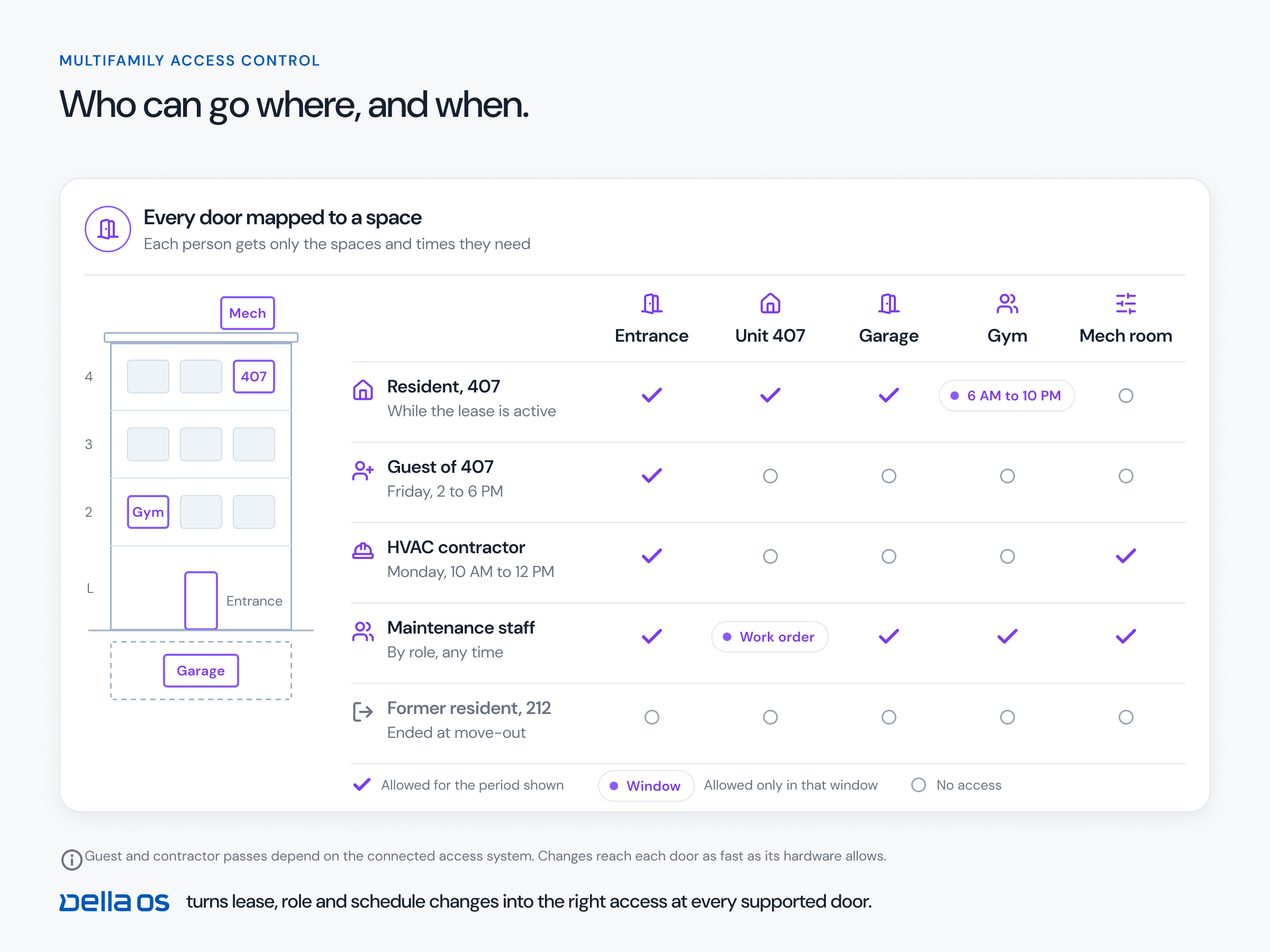
- Who gets which permissions, at which doors and for how long?
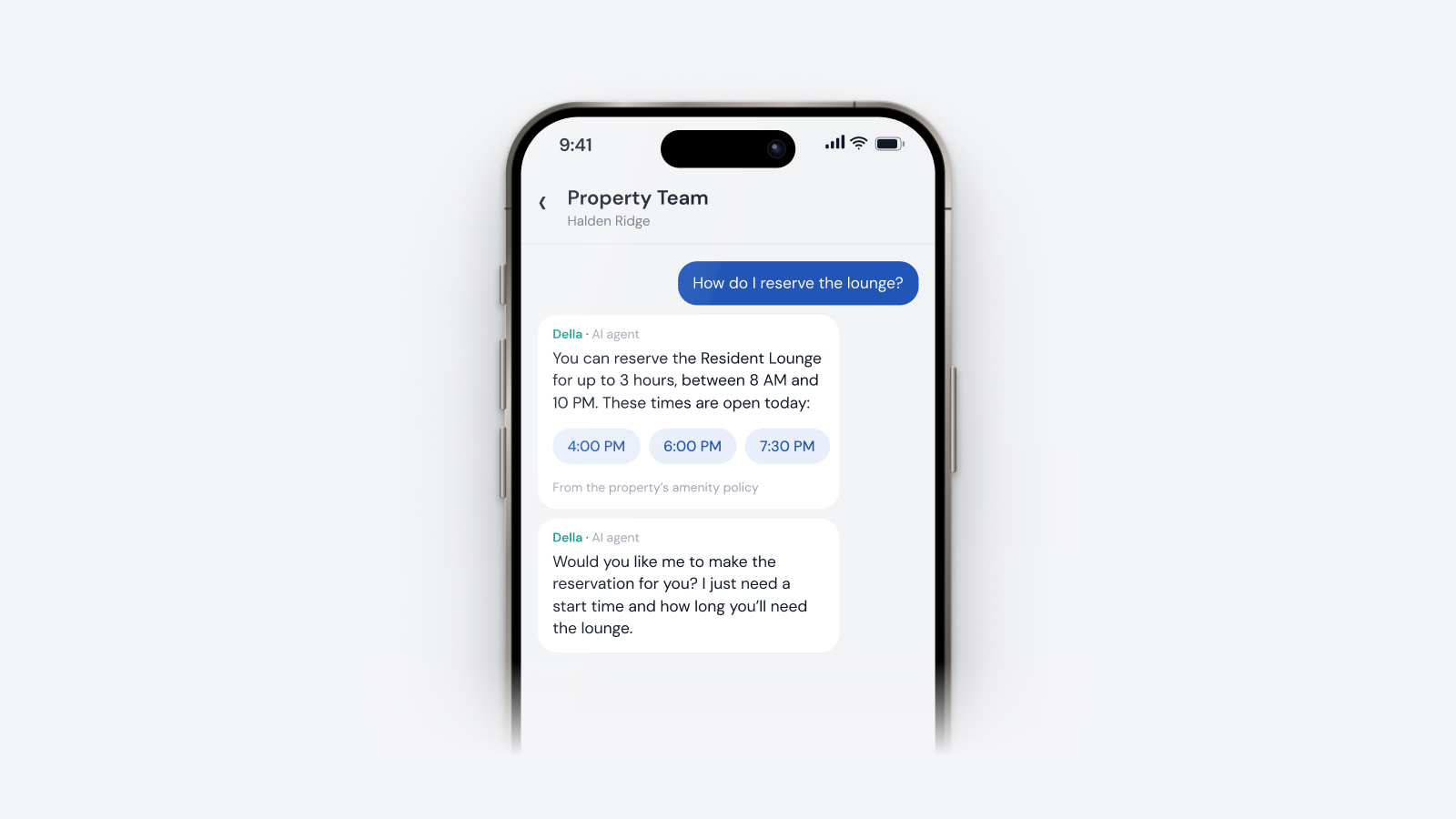
- How are amenities scheduled, booked and opened?
- What can a guest reach, and what stays private?
- How will each device be installed, checked and supported?
- How will the property team change a rule a year from now without calling anyone?
Answer those first and the equipment list becomes a consequence of the design.
How to plan the technology, step by step
- Write down how the building should operate. Use the questions above. A few pages is enough, as long as it describes outcomes and not products.
- Put the integrator at the table early. The people who will install, commission and support the building should help shape the design, not just price it.
- Choose the operating layer first. Pick the platform that connects the PMS, the building systems, the staff tools and the resident app, and confirm which equipment it works with.
- Choose equipment that fits the design. Pick what suits this building, not what the last 10 buildings happened to use, and check each product against the others already selected. A combination that won't work should be found during design, not during commissioning.
- Model the building before installation. Floors, apartments, common areas and the devices each one should have, so everyone works from the same plan.
- Install from the plan. Each installer should see what belongs in each apartment, where it goes and what has to be checked.
- Verify, don't assume. A device that is online isn't necessarily right. Confirm that it is registered, in the correct location, on its approved settings and reporting as expected.
- Hand the property team the controls. Hours, bookings, schedules and policies should be theirs to change.
- Plan for additions. Technology left out during construction should be easy to add later without starting over.
Online is not the same as correct
A smart lock is installed on Unit 1107. It has power, it's on the network and the manufacturer's dashboard says it's online. But it has been assigned to Unit 1108. Technically it's connected. Operationally it's wrong, and nobody will know until the wrong door opens or the right one doesn't. This is why commissioning has to check the device against the design, and keep checking for the life of the building.
What changes for the integrator
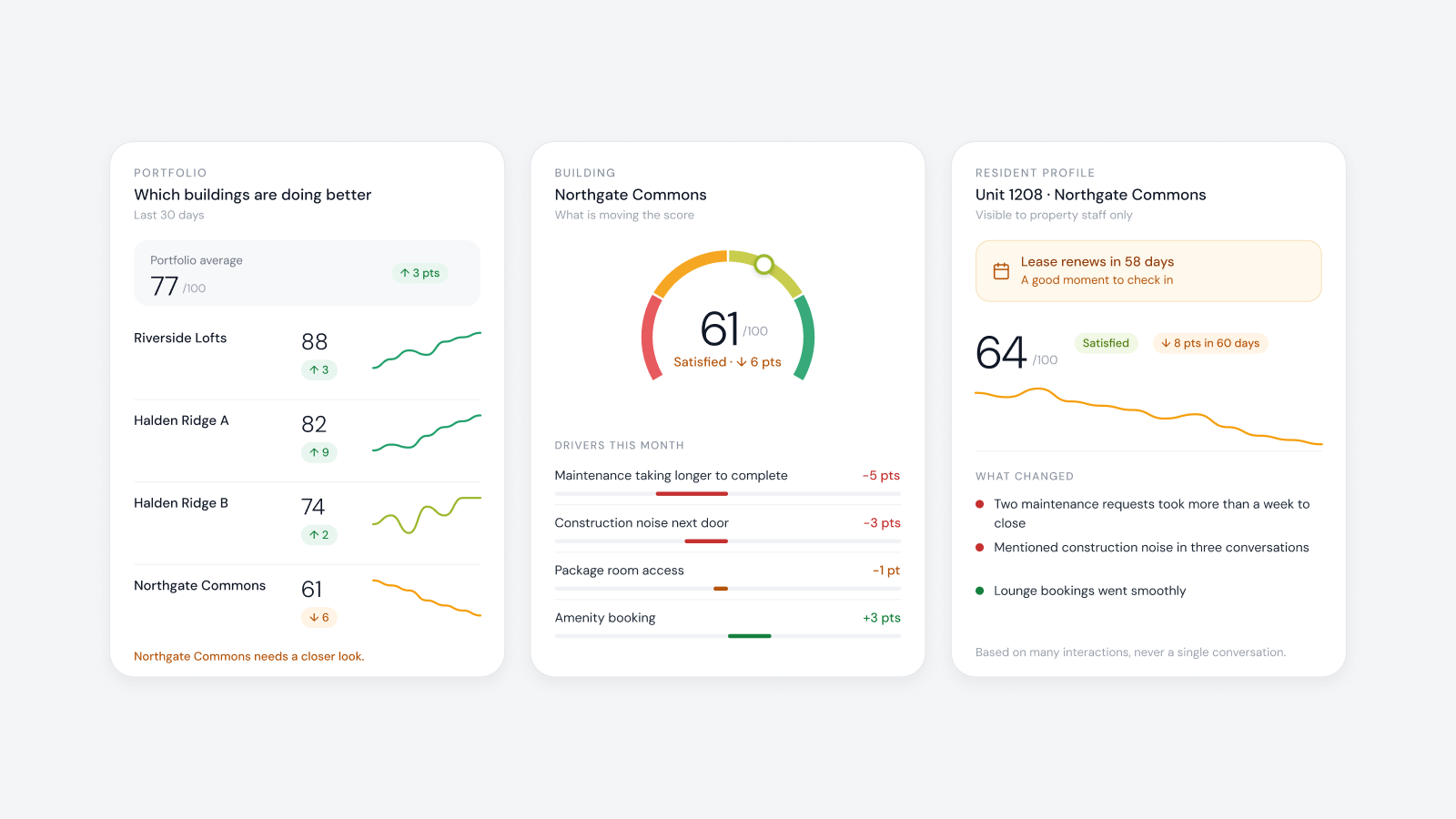
When the operating design comes first, the integrator stops being the person who makes someone else's equipment list work. They can bring a complete solution to a developer, demonstrate it, design it, deliver it and support it. With visibility into each device's location, condition and history, a service call starts with information and not with a truck. And when the integrator shares in the ongoing software relationship, they have a reason to stay involved for the life of the building.
What changes for a portfolio
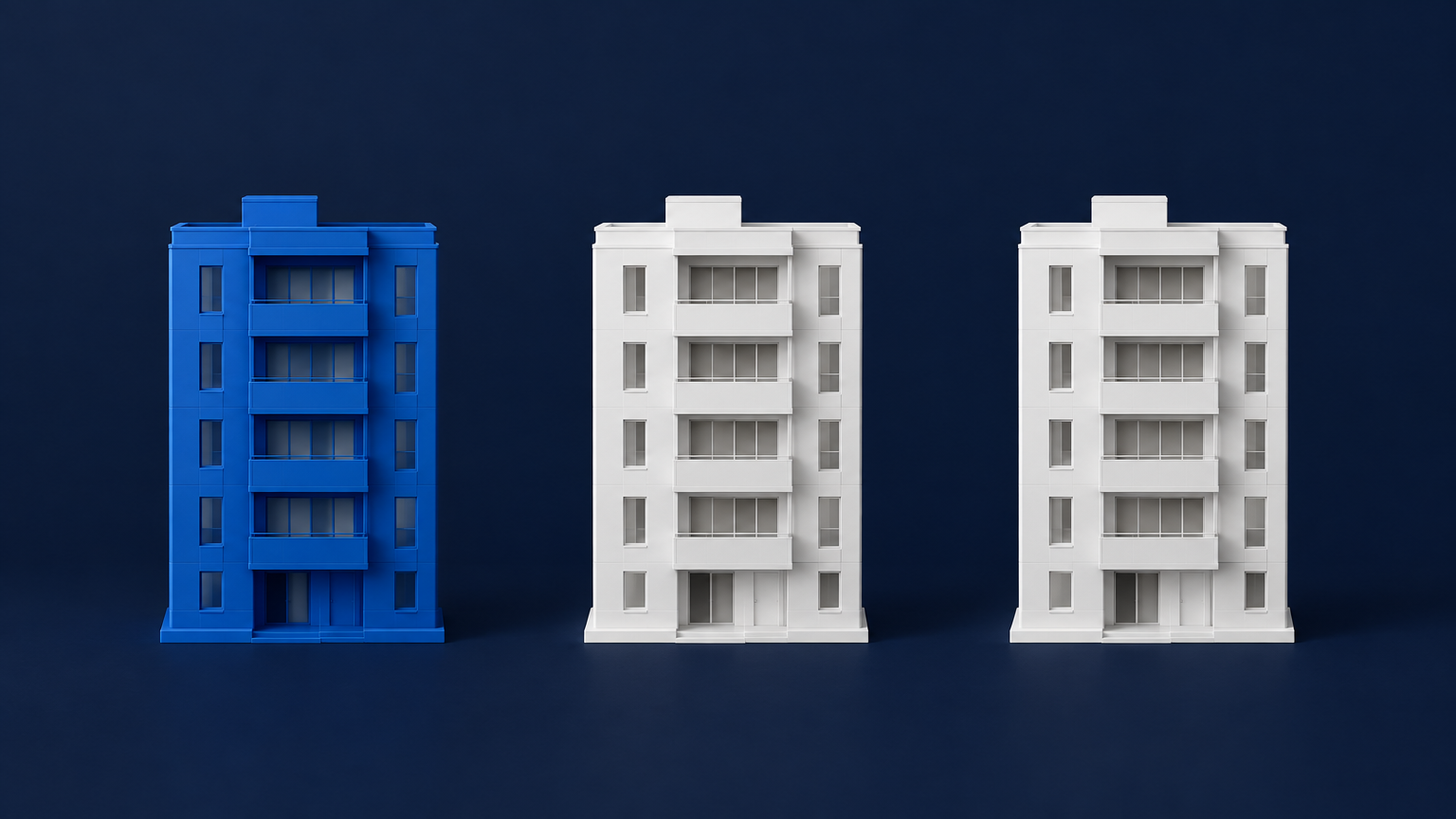
An owner can build one property in one state and another across the country, with different local integrators and even different manufacturers, and still run both on the same operating standard. The equipment can vary. The way the buildings are designed, commissioned and operated stays the same.
Where Della OS fits
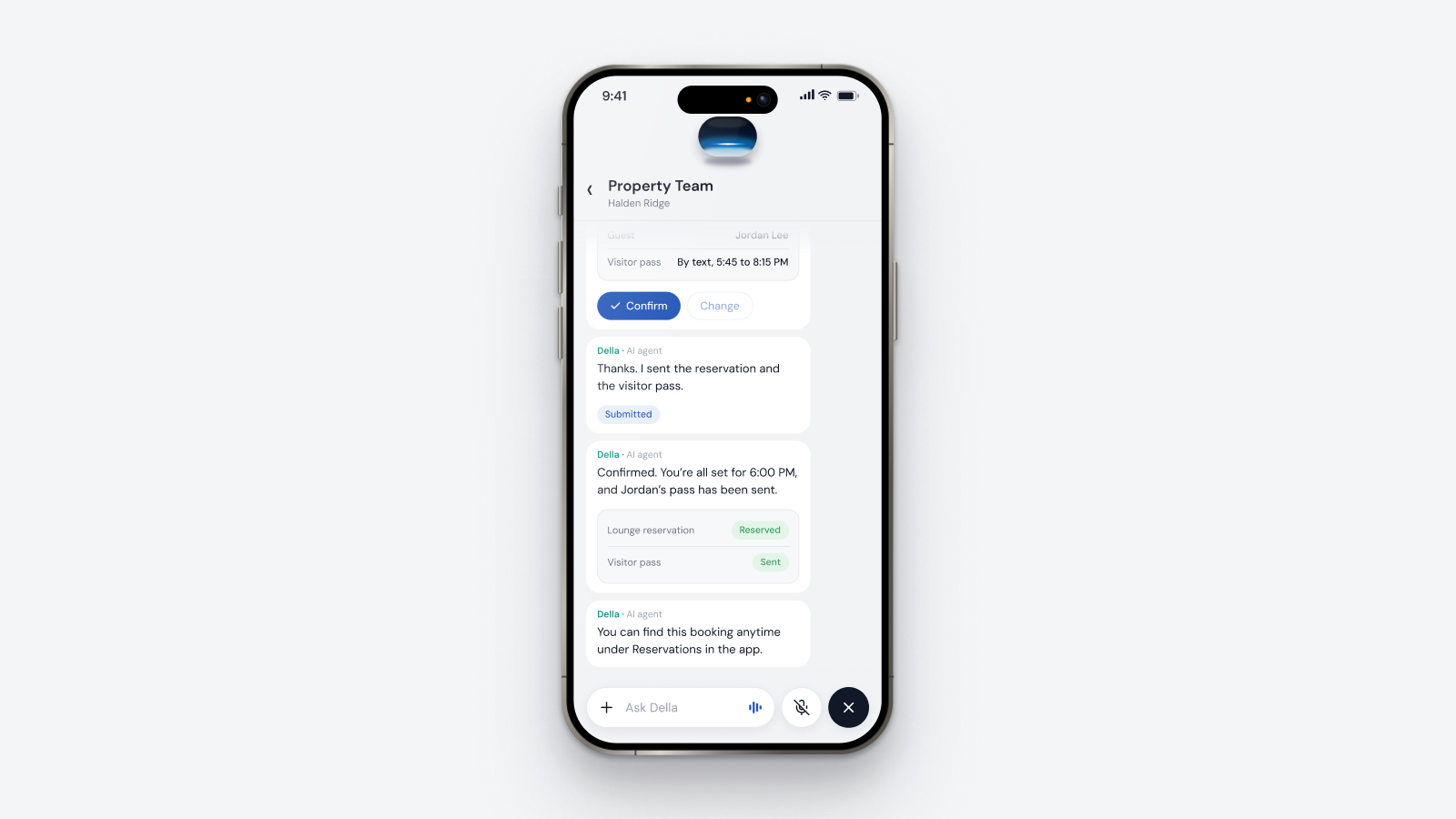
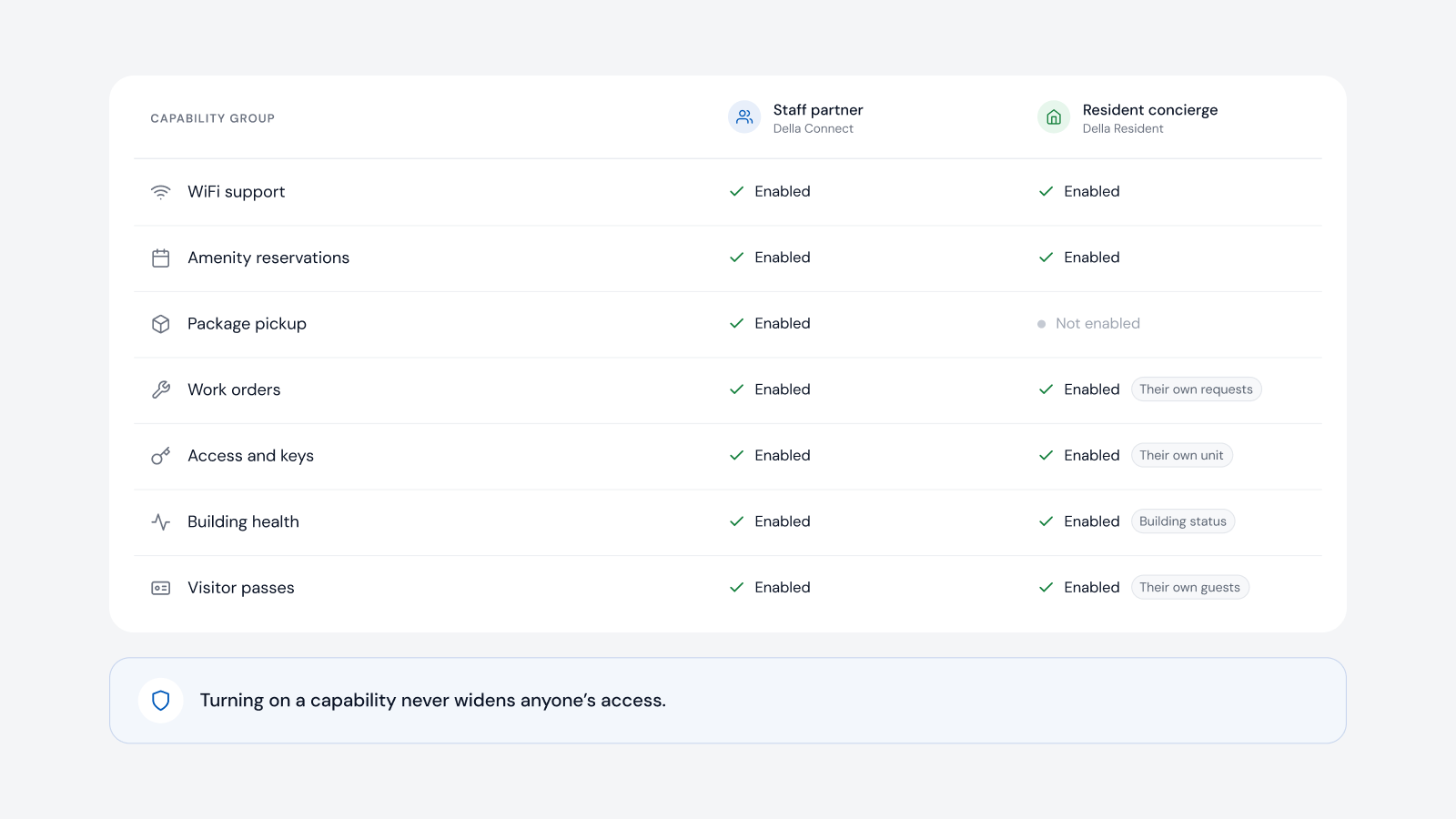
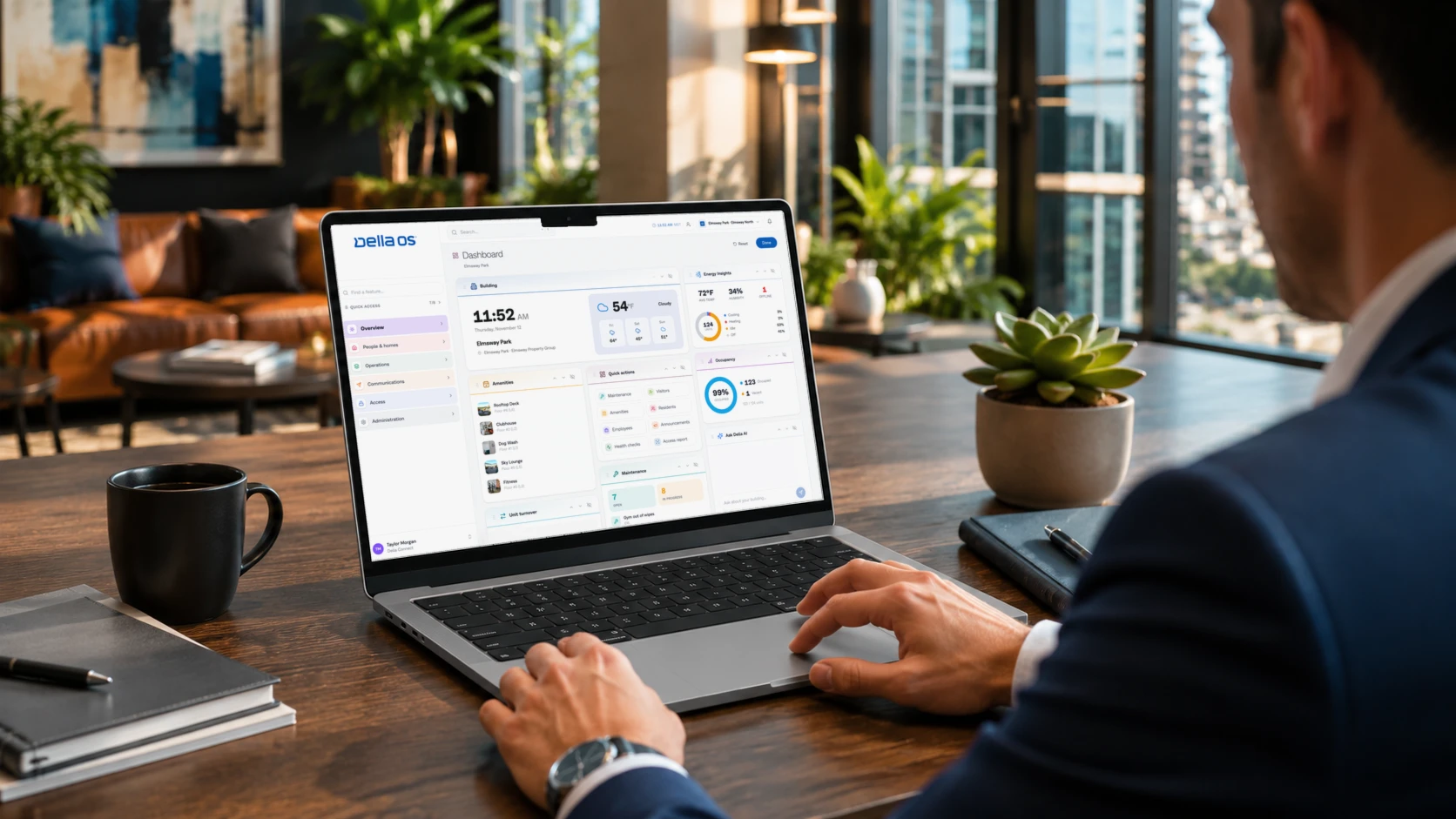
Della OS is the smart building operating system for multifamily and residential properties, from apartments and student housing to senior living and condominiums. It is the operating layer this guide describes, not another product on the equipment list. A portfolio can have a different supported lock in every building, and Della operates each one the same way, in the same resident app and the same staff dashboard, with all of its features on top. In Mission Control, an integrator builds the digital building floor by floor, defines what each apartment should contain and chooses from supported systems, with compatible options guided by the choices already made. Mission Installer gives each installer the approved equipment for each apartment. InSync checks four conditions for supported devices: registered, in the correct location, on the approved configuration and reporting as expected. After opening, the property team runs the building in Della Connect and residents use Della Resident. The PMS still runs the business, and Della runs the building. Della OS works with more than 40 building systems, and Della sells through integrators, who share in the ongoing software relationship.
Frequently asked questions
When should technology planning start on a new apartment building?
During design, before equipment is specified. Decisions about access, networks and devices are far cheaper to get right on paper than during commissioning.
Why isn't integration enough?
Connecting products one pair at a time creates many connections to build and maintain, and it doesn't define how the building should behave. A shared operating layer does both.
Who should lead technology design?
The owner sets the outcomes. An integrator who will install and support the building should design the technology to meet them, working with the platform that connects it all.
We standardized on one lock. Do we have to use it in the new building?
No. When the standard is how the building operates, each building can use the supported lock that suits it, and residents and staff work the same way in all of them.
Can we add technology after the building opens?
Yes. When the building is designed around an operating layer, a supported system such as smart thermostats or additional access control can be added to the existing design later.
Do all our buildings need the same equipment?
No. The operating standard stays the same while the equipment and the local integrator can differ from one property to the next.
Read why building systems don't work together, why online is not the same as working, how a smart building rollout works and the platform for integrators and MSIs, or book a walkthrough.