The short answer: yes. When an acquisition is underwritten on the buyer being a better operator than the seller, the plan is borrowing against a promise. The rent roll, the taxes and the debt are modeled line by line. The operating improvement that justifies the price usually isn't. It is assumed to follow from new management. It doesn't. Buying a building changes who owns it, not how it runs. If the upside is in the financial model, the operating model that delivers it should be too, with the same scrutiny as the numbers it supports.
The promise behind the price
Large owners grow by acquisition, and part of almost every deal is the same argument to lenders and investors: we run buildings better than the seller did, so this building will make more money under us. The market has rewarded that argument. Scale, systems and professional teams are worth paying for.
But look at what the model actually contains. The upside is usually a line for lower operating expense, a line for ancillary income and a line for higher retention. What it rarely contains is how any of that will happen on the first Monday after closing, in a building that arrives with its own locks, its own software, its own vendors and its own habits.
Why buying a building doesn't change how it operates
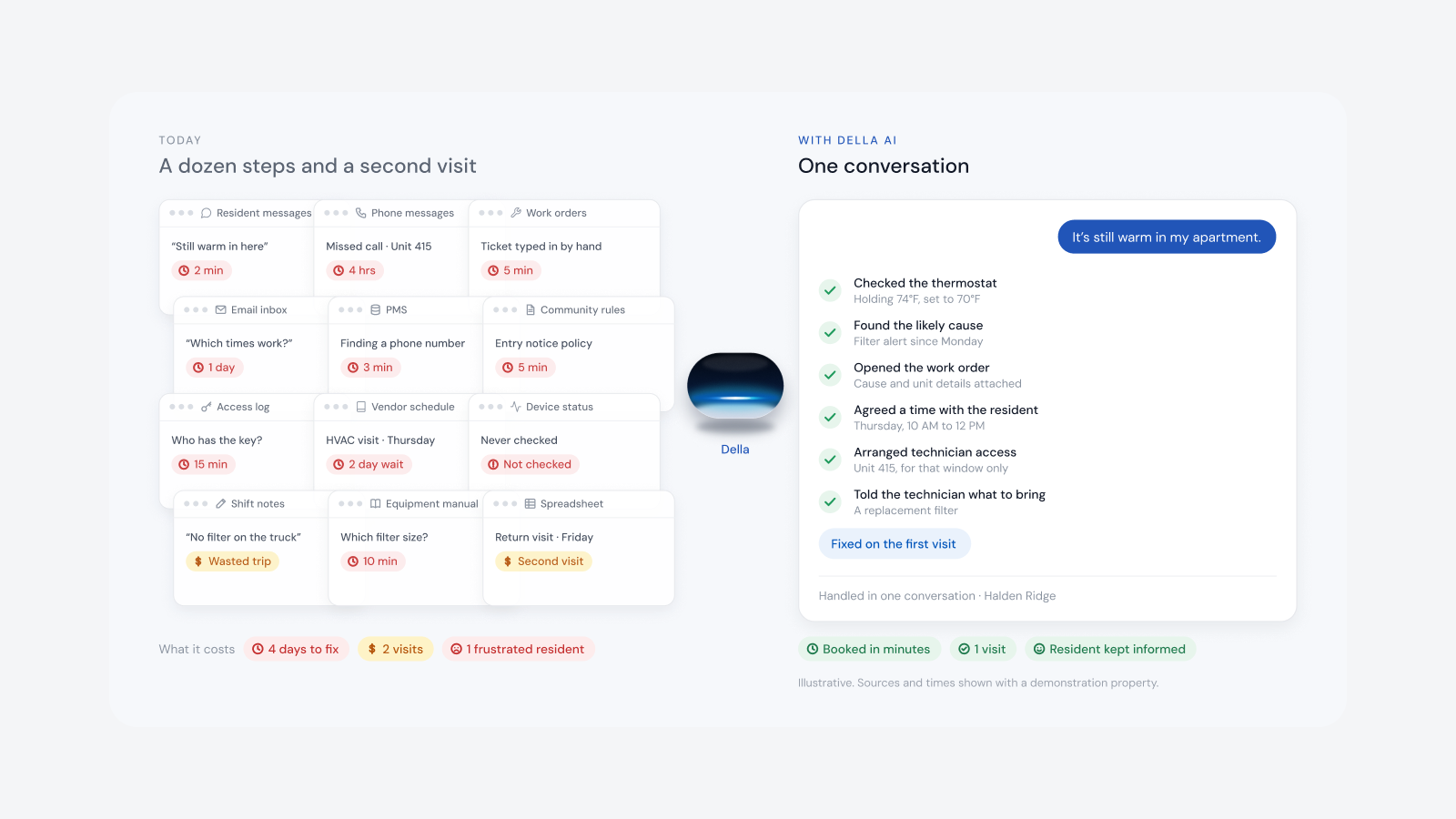
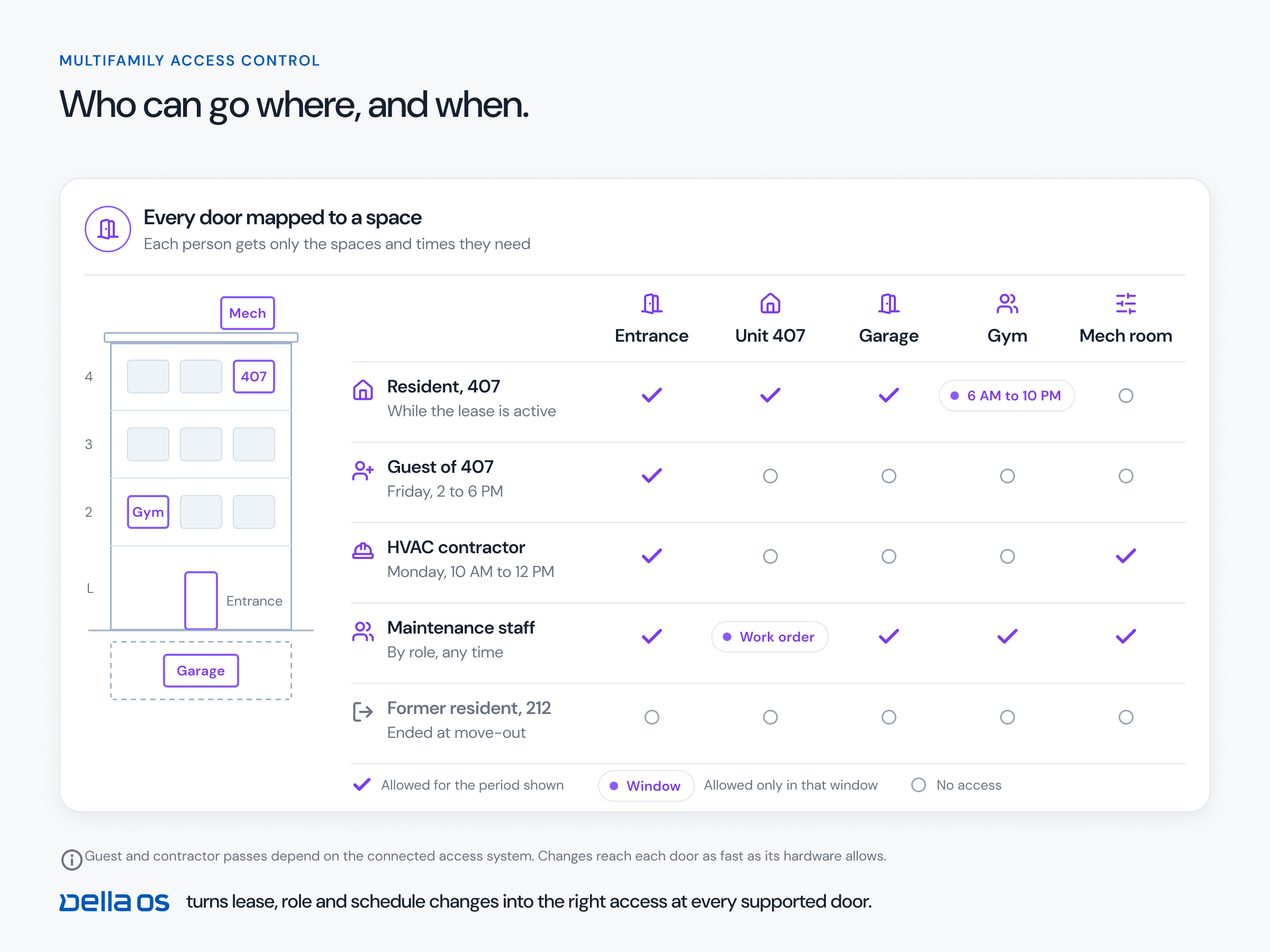
On Monday the same site team is doing the same work. A move out is recorded in the property management system (PMS), and then someone updates the access system, the Wi-Fi portal, the parcel lockers, the parking list, the amenity calendar and the service providers, each in its own login. A new lease starts the list again in reverse. A change to the gym hours touches three systems and several people.
That is operational drag: hours of staff time spent moving information the property already recorded between systems that don't talk to each other. Every acquired building adds another version of it, with different equipment and different procedures. Multiply it across a few hundred communities and the promised efficiencies get harder to deliver, not easier. Somewhere along the way, the employee became the integration.
The fastest car in a traffic jam
Much of the industry's recent technology spend, and nearly all of its AI, has gone into the business side: leasing inquiries, tours, applications, renewals, collections and the inbox. It works. Leasing is faster than it has ever been.
That is like building the fastest car in the world. It does you no good in a traffic jam. The jam is inside the building, in the physical work that follows every lease event, and faster leasing only adds cars to it. More move ins, more move outs and more changes, all landing on the same team running the same disconnected systems. An operator can be excellent at the business of the building and still be stuck at the building itself.
What an operating model in the plan looks like
An operating model is the answer to one question: when something changes in the business, what happens in the building, and who does it? Putting it in the plan means being able to state, before closing, how each line of upside will be produced:
- Lower operating expense. Which tasks stop being manual at move in, move out and transfer, and how many staff hours that returns.
- Fewer subscriptions. Which of the acquired building's separate tools are replaced by one platform, and what they cost today.
- Ancillary income. Which resident services the owner will offer under its own brand, and how enrollment reaches residents before move in.
- Energy. What happens to heating, cooling and lighting in vacant units, automatically.
- Consistency. How the building joins the owner's existing operating standard, so staff from any property can work in it.
- Existing equipment. What the building already owns that can be connected rather than replaced, and what, if anything, needs capital.
If the answer to any of those is "the new team will sort it out", that line of the model is a hope, not a plan.
Why the building layer is the missing line
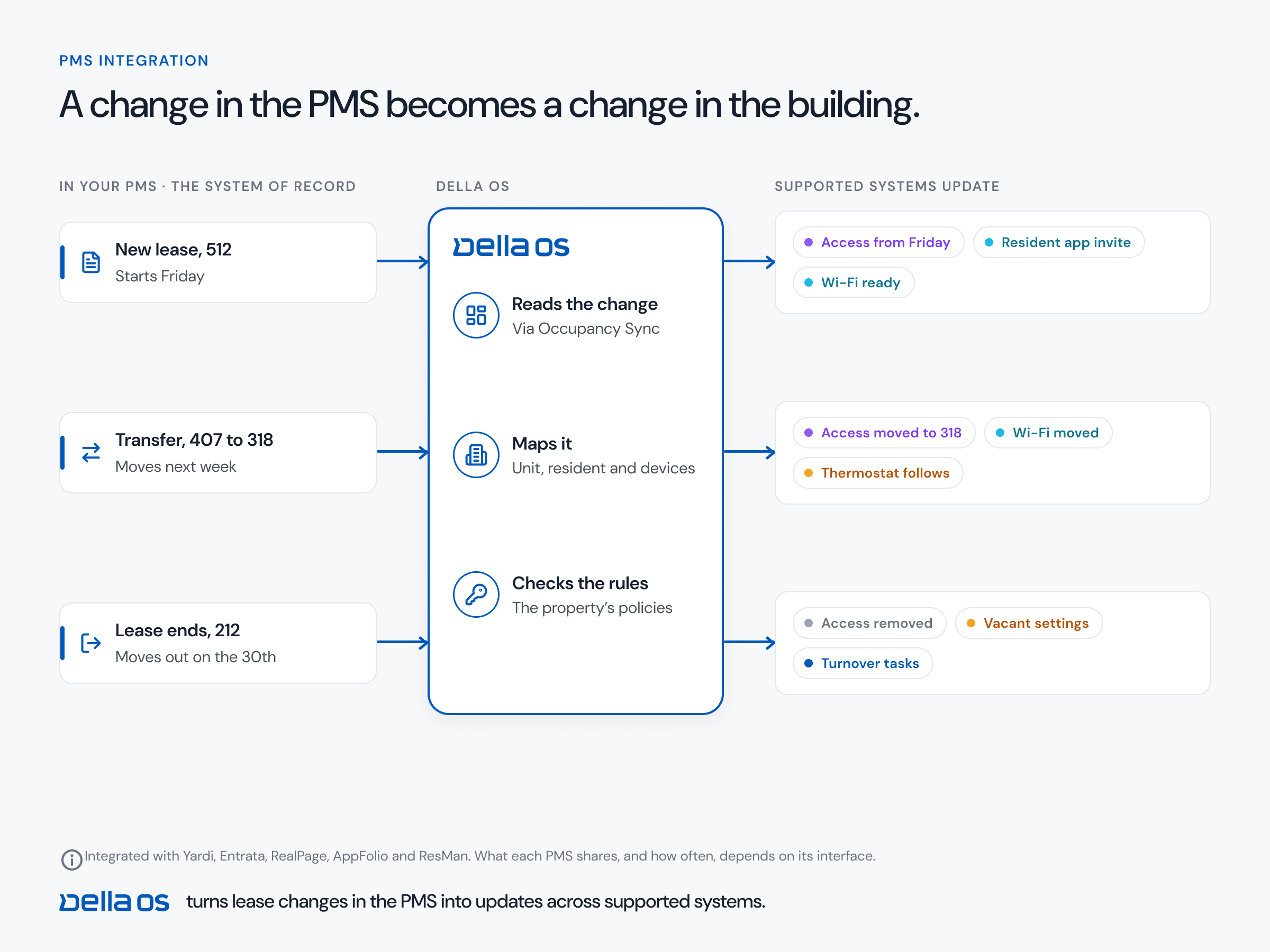
The PMS is built to run the business: leases, ledgers and reporting. It was never meant to run locks, thermostats, Wi-Fi, intercoms and amenity doors, and most PMS platforms don't try. The layer between the PMS and the building is where the operating model lives. When it exists, a lease event in the PMS sets the building's response in motion: access, Wi-Fi, parking, lockers and services follow the lease, vacant units go to their energy settings, and a schedule change made once reaches the doors and the residents who need it. When it doesn't exist, the site team is that layer.
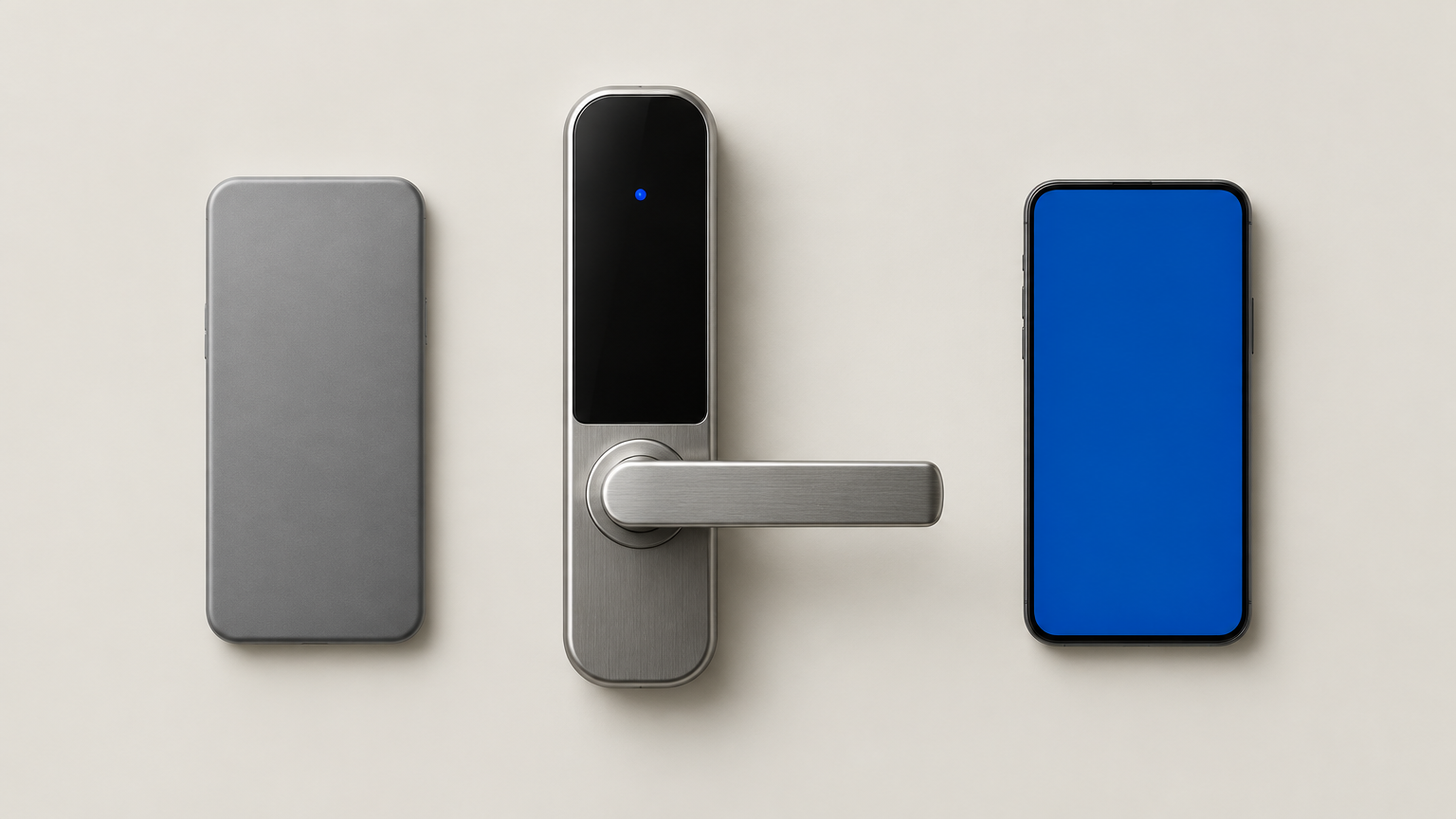
This is also why the operating model can be in the plan at all. A layer that works across different manufacturers can be applied to a newly acquired building without first replacing what is in it. The operating standard arrives with the acquisition, and the building's equipment catches up at its own pace.
Where Della OS fits
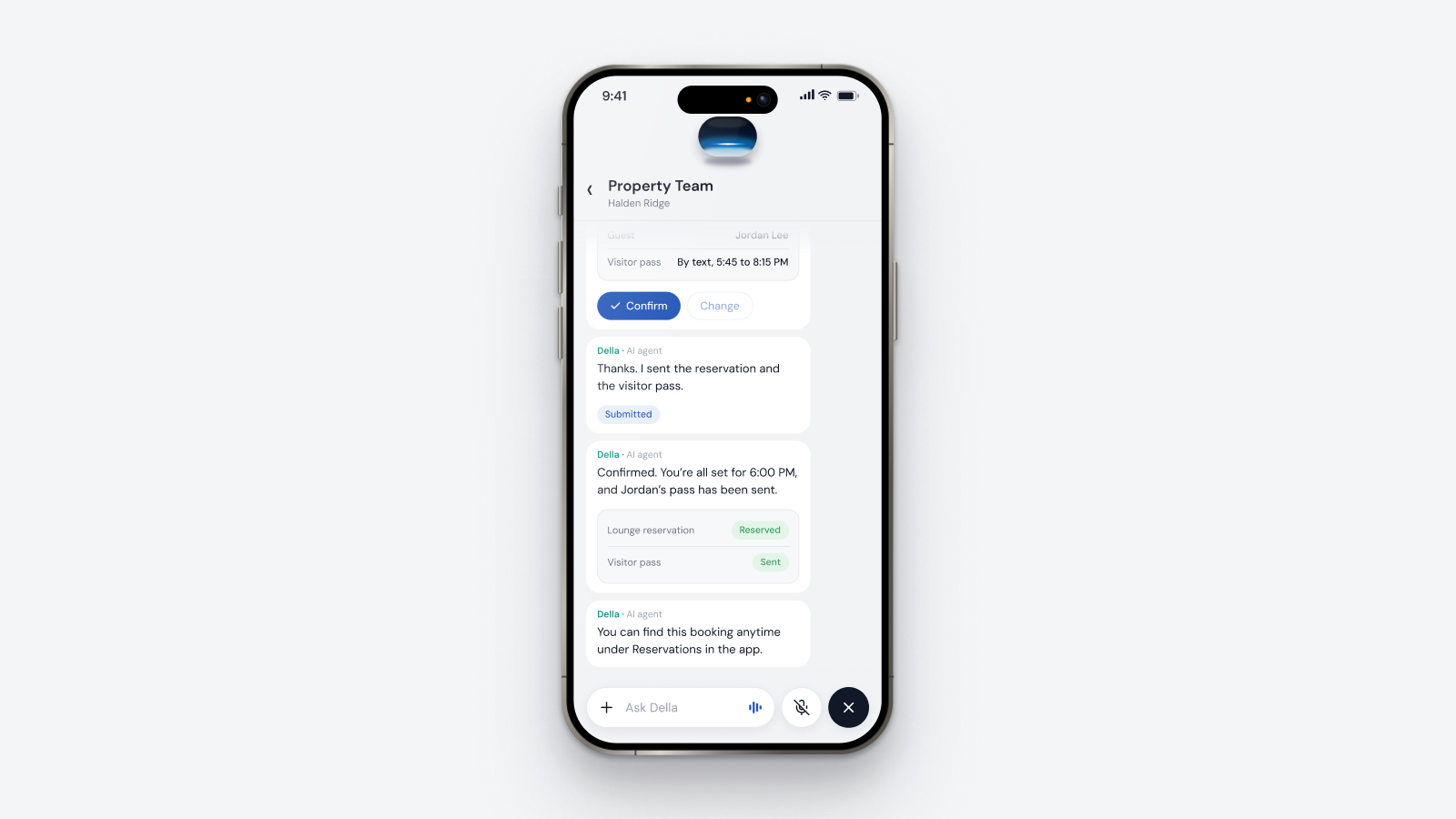
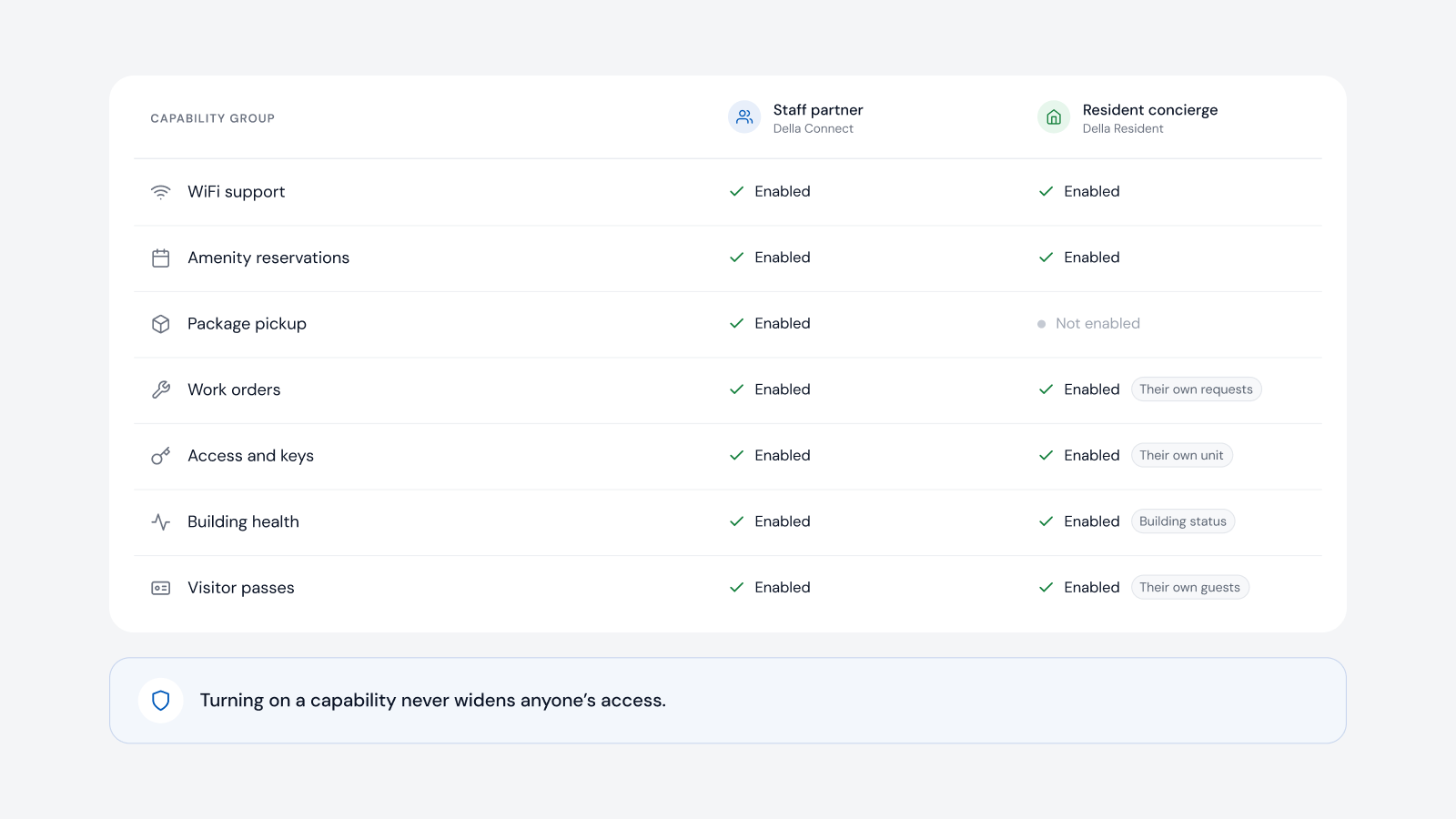
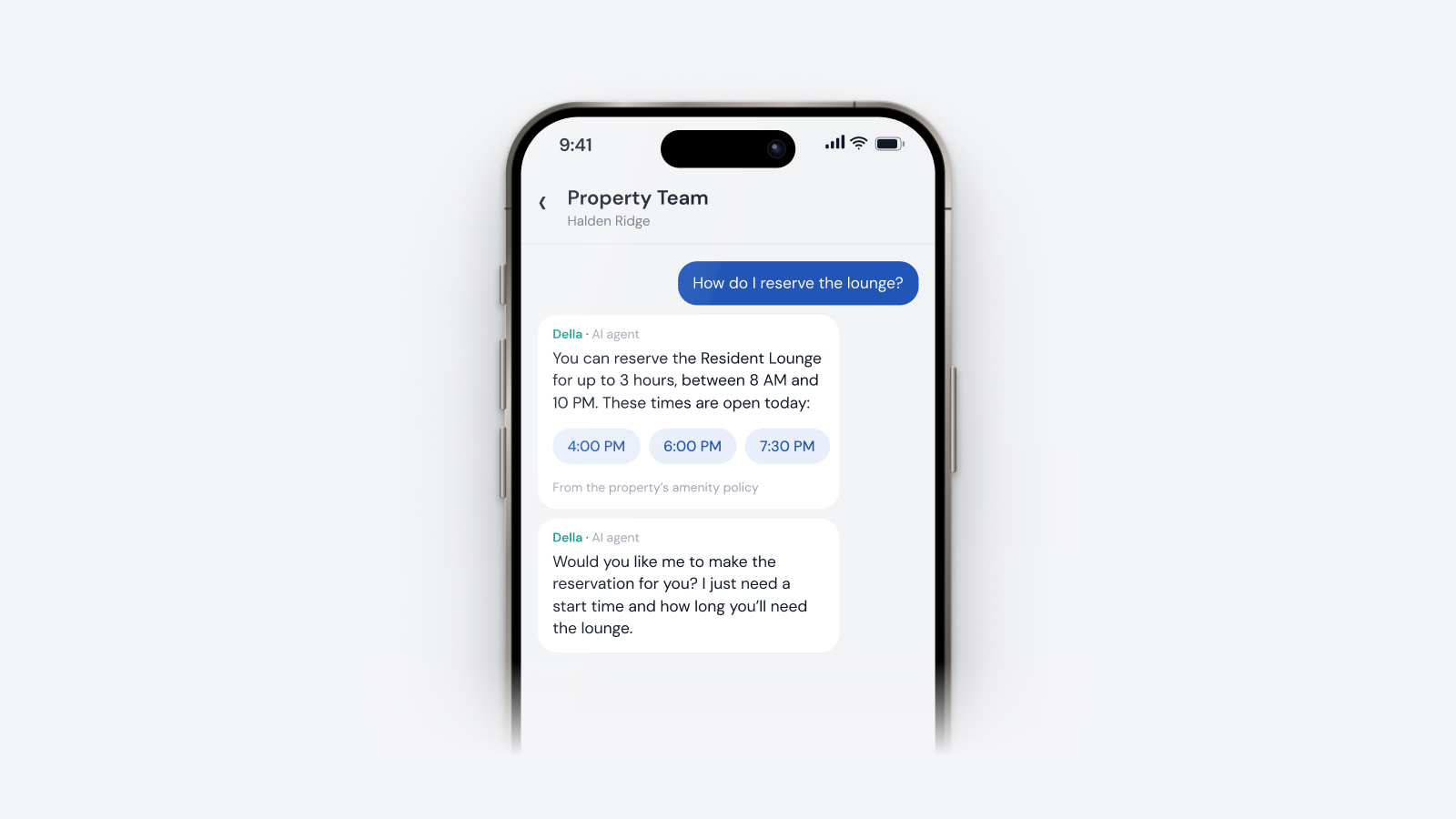
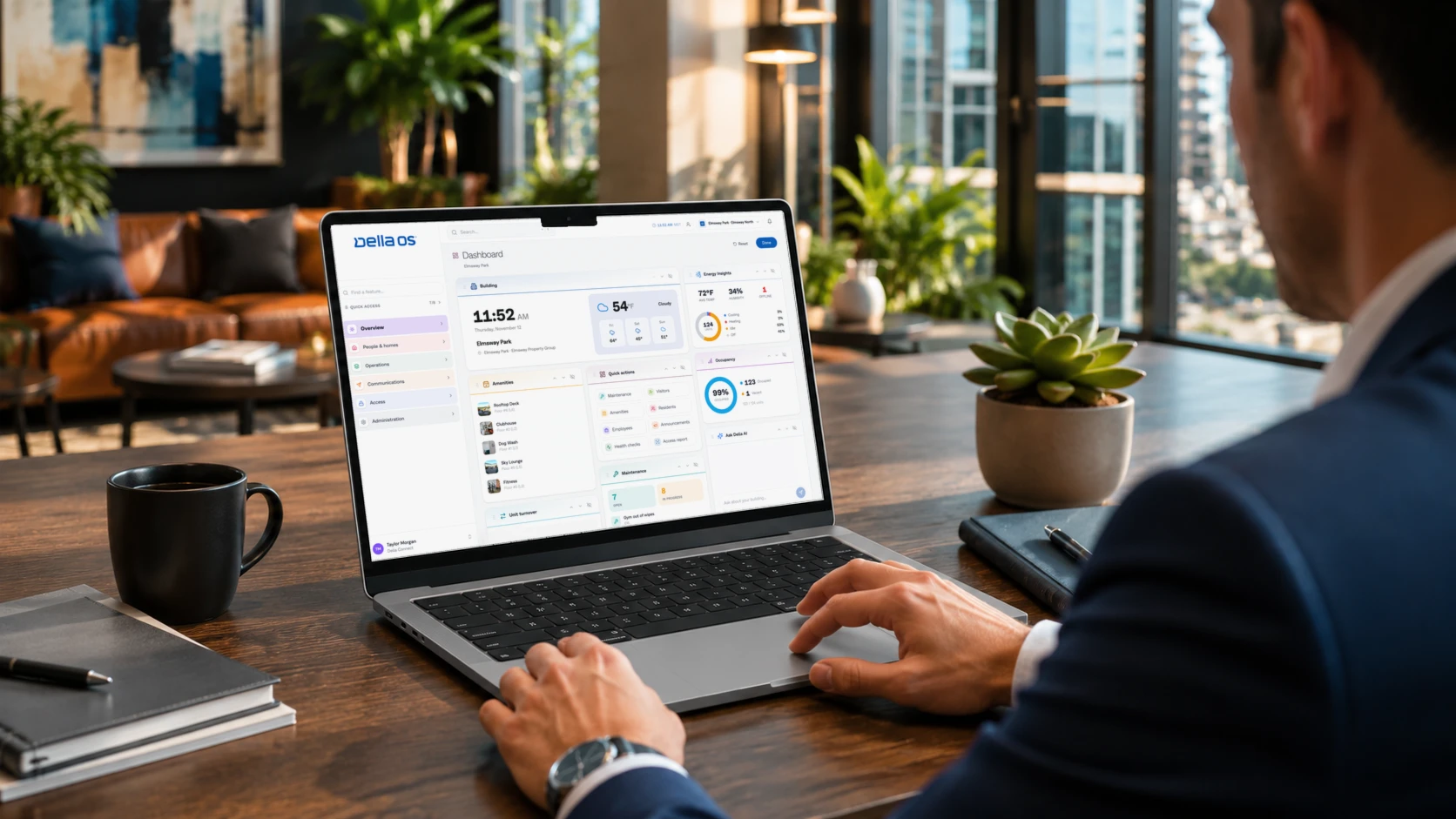
Della OS is the smart building operating system for multifamily and residential properties, from apartments and student housing to senior living and condominiums. It connects the PMS, the building's existing systems, residents and site teams in one operating layer, so the PMS runs the business and Della runs the building. For an acquirer, that means an operating standard that can be applied to a new building on day one. Occupancy Sync turns move ins, transfers and move outs in Yardi, Entrata, RealPage, AppFolio or ResMan into action across access, Wi-Fi, parking, lockers and services. Della Resident gives every property one resident app under the owner's brand, and Della Marketplace offers residents internet, TV, utilities, insurance, moving and home services through approved programs, with the property sharing in the income. Della OS works with more than 40 building systems and the equipment a property already owns, and about 60% of its capabilities need no new hardware, so the operating model can be in the plan before any capital is. Episode 2 of the Della OS series, You Don't Need New Hardware to Revolutionize Your Operations, follows a fictional owner through exactly this decision.
Frequently asked questions
What is an operating model in multifamily acquisitions?
The defined way a building will be run after closing: what happens in the building when a lease changes, who does it, which systems are involved and how the property joins the owner's standard. It is the mechanism behind the operating upside in the financial model.
Why doesn't new management alone deliver the operating upside?
Because the building arrives with its own systems and procedures, and the work of moving information between them stays manual. A better team still spends its hours on the same drag unless the systems are connected.
Does putting the operating model in the plan require new hardware?
Not to start. Connecting the PMS, the resident app, communications, amenities and resident services are software, and existing locks, access control, thermostats and Wi-Fi can often be connected rather than replaced.
How does this affect underwriting?
Each line of operating upside gets a stated mechanism, a cost and a timeline, and the due diligence inventory includes the building's systems and equipment, not only its rent roll.
What about leasing AI?
It speeds up the business of the building. It doesn't change the physical work that follows each lease. Both layers matter, and the building layer is the one most acquisition plans leave out.
Read how to standardize operations across a portfolio, why building systems don't work together and how to use the hardware you already own, or book a walkthrough.