The short answer: every household in a building already spends money on services it needs: electricity, internet, television, renters insurance and moving. Almost all of that spending goes somewhere else. An owner can bring those services together under its own brand, offer them to residents at the moment they need them and share in the income, without becoming a utility, managing service accounts or handling resident payments. The providers deliver and bill the service. The owner's part is choosing the partners, setting the offers and reaching residents before move in. Managed Wi-Fi went from a cost to an asset once owners could own the network without running an IT department. Utilities and other resident services have reached the same point.
The moving checklist
A couple signs a lease and the list starts: electricity, internet, renters insurance, a moving truck, television, furniture. Each one is a separate search, a separate account and a separate decision, made in a hurry.
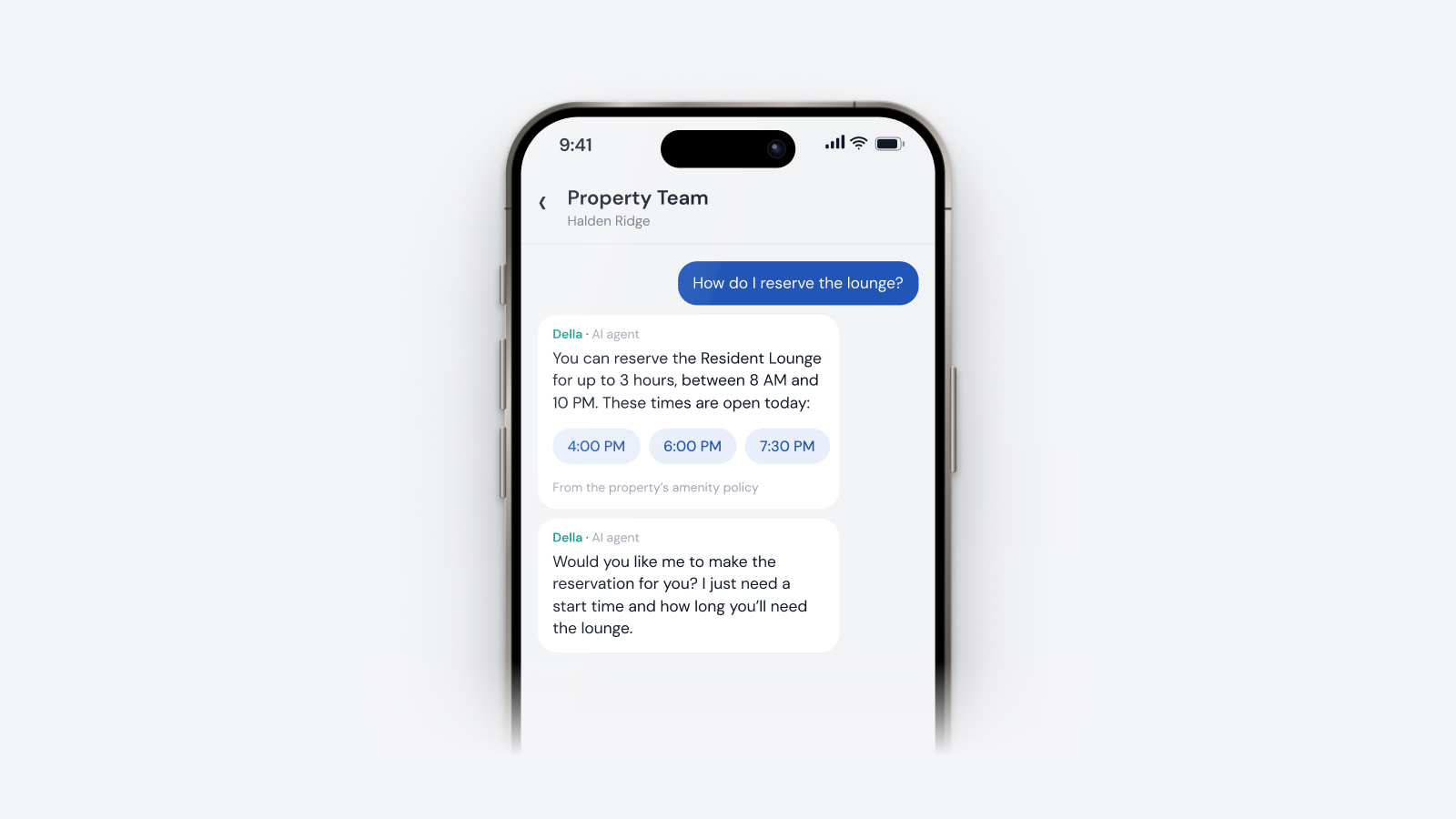
Now imagine they open the resident app for their new home and find the owner's own program for electricity, renters insurance they can arrange in the same place, a discount on the truck and a television package that beats what they pay today. Moving gets simpler, and the offers were chosen for residents of that community.
The owner's side of the same story
A large owner has tens of thousands of households, all buying the same handful of services. That is real purchasing power, and until now it has mostly gone unused. The next opportunity in multifamily may not be another building. It may be the value already inside the buildings an owner has.
The network already proved it
Not long ago, a building's internet was a cost the owner carried, and the income went to the provider. Then owners realized the better position was to own the network, and the technology advanced to the point where they could do that without becoming their own IT company. Managed Wi-Fi became an asset.
Utilities are at the same point. Nobody is suggesting an owner become the utility. But somebody already charges to deliver the bill and collect the payment. The owner can be that somebody, under its own brand, when the platform handles the billing and the collection without adding work for the site team or the back office. That is the difference between a service the building hosts and a service the building earns from.
What makes it work
- The owner's brand. Residents see their community's own marketplace, not a list of outside advertisements.
- Approved partners. The owner selects the providers and the offers, and can change them.
- Timing. Offers are tied to the lease, so they can reach a resident before move in, when the decisions are being made.
- Eligibility. Each offer is shown to residents it applies to, at properties where it is available.
- No new department. Providers handle service delivery, and billing and collection run through the platform. The owner doesn't become a utility or manage individual accounts.
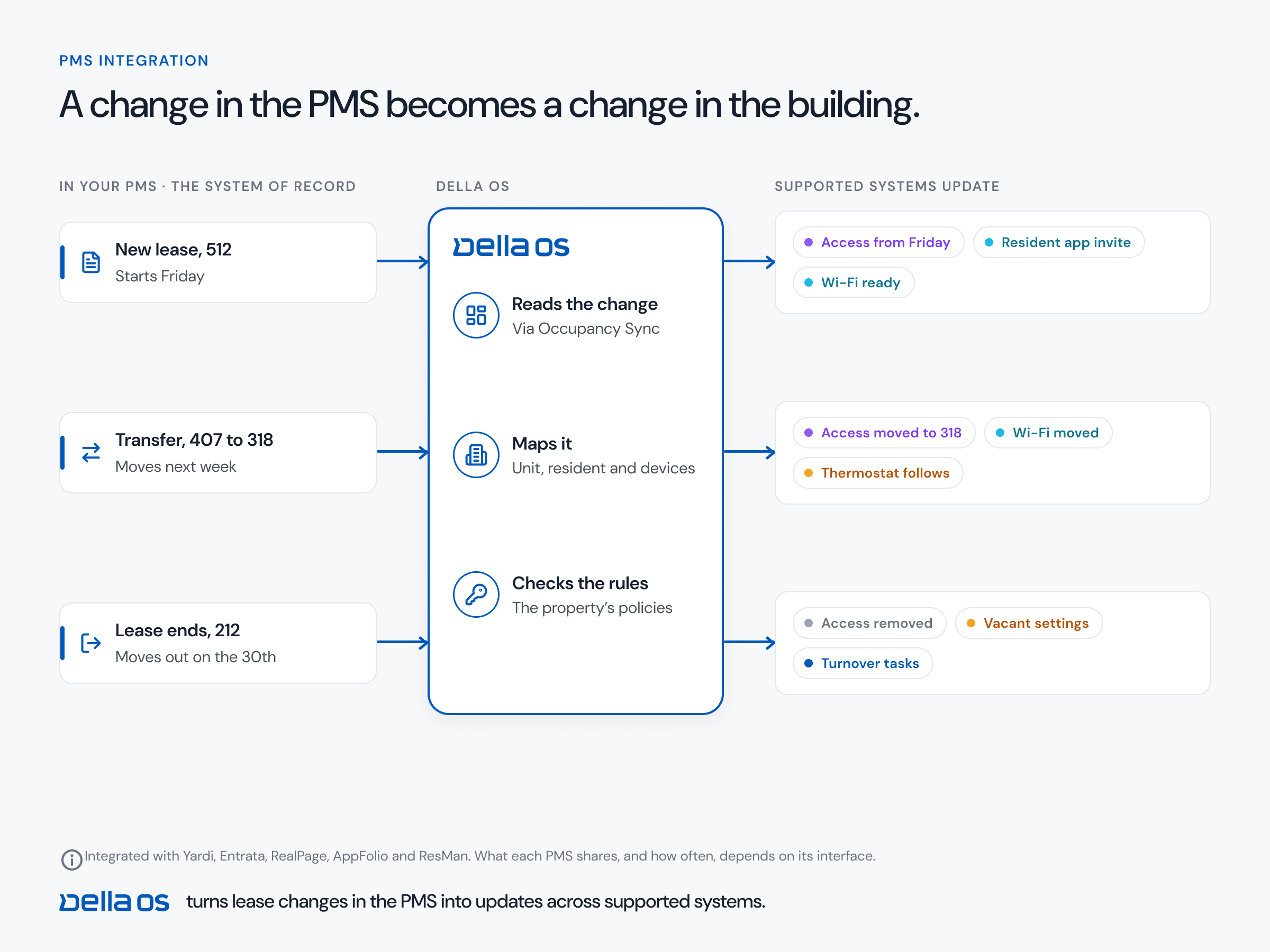
- Service that follows the lease. Enrollment starts with the resident and ends or moves when the lease does.
Both sides of net operating income
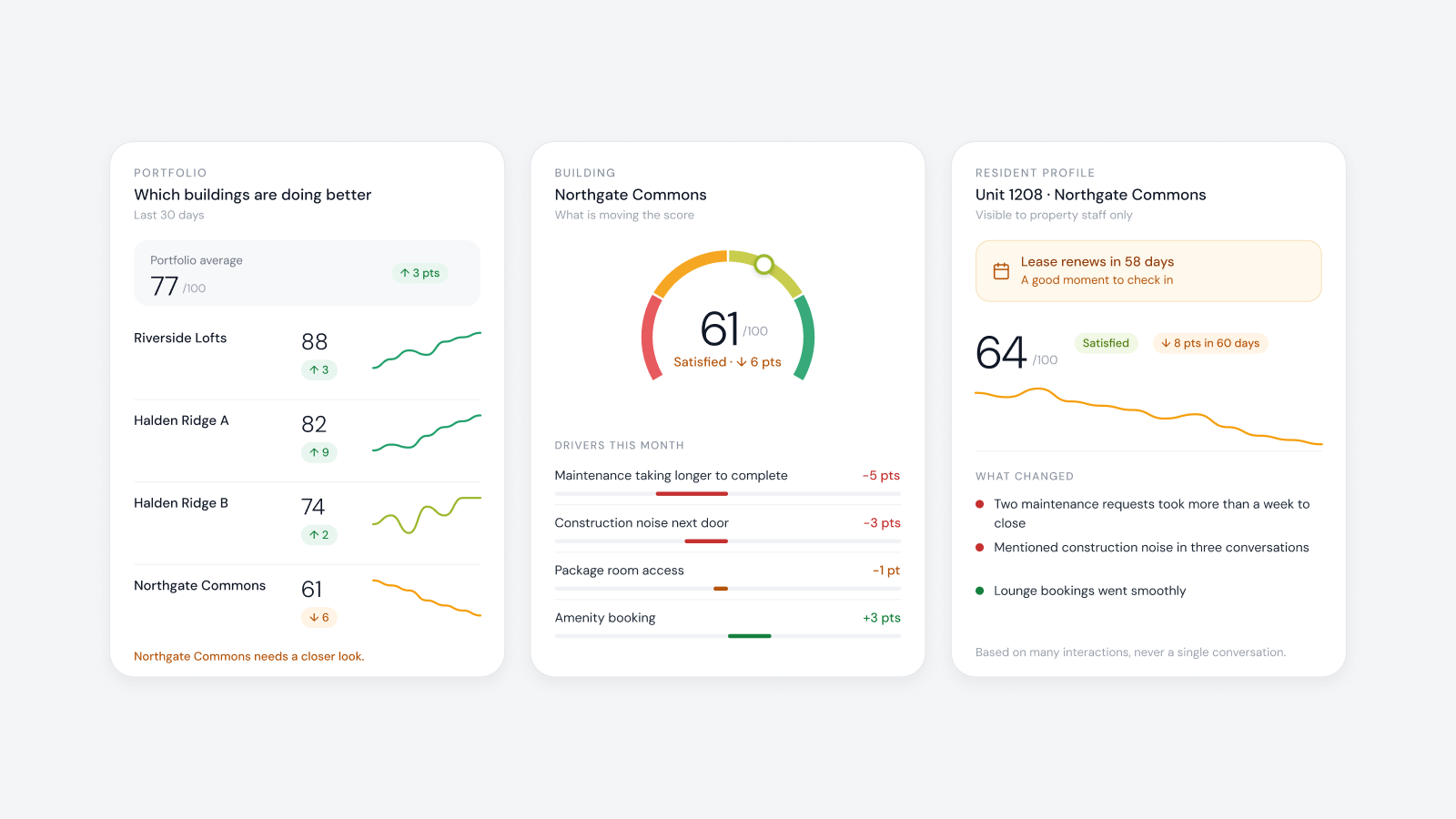
Resident services add income. Connected thermostats, energy management and less manual work reduce expense. An owner that does both is working on both sides of net operating income (NOI) with buildings it already owns.
How to start, step by step
- List what residents already buy. Electricity, internet, television, insurance, moving and home services.
- Decide what you want to offer. Start with the services that matter most at move in.
- Choose partners and terms. Agree what each provider delivers, how residents enroll and how the owner shares in the income.
- Put it under your brand. One marketplace in the resident app, with your name on it.
- Connect it to leasing. Offers should reach approved residents before move in.
- Keep it honest. Show residents real value, and never make an offer a condition of living there.
- Measure enrollment by property. Expand what residents choose and drop what they don't.
Questions to ask before you choose a platform
- Is the marketplace under our brand or the vendor's?
- Who chooses the partners and the offers?
- Who bills the resident, who collects, and who delivers the service?
- Are offers tied to the lease and to each resident's eligibility?
- What happens to a service when a resident transfers or moves out?
- How is the owner's share reported?
Where Della OS fits
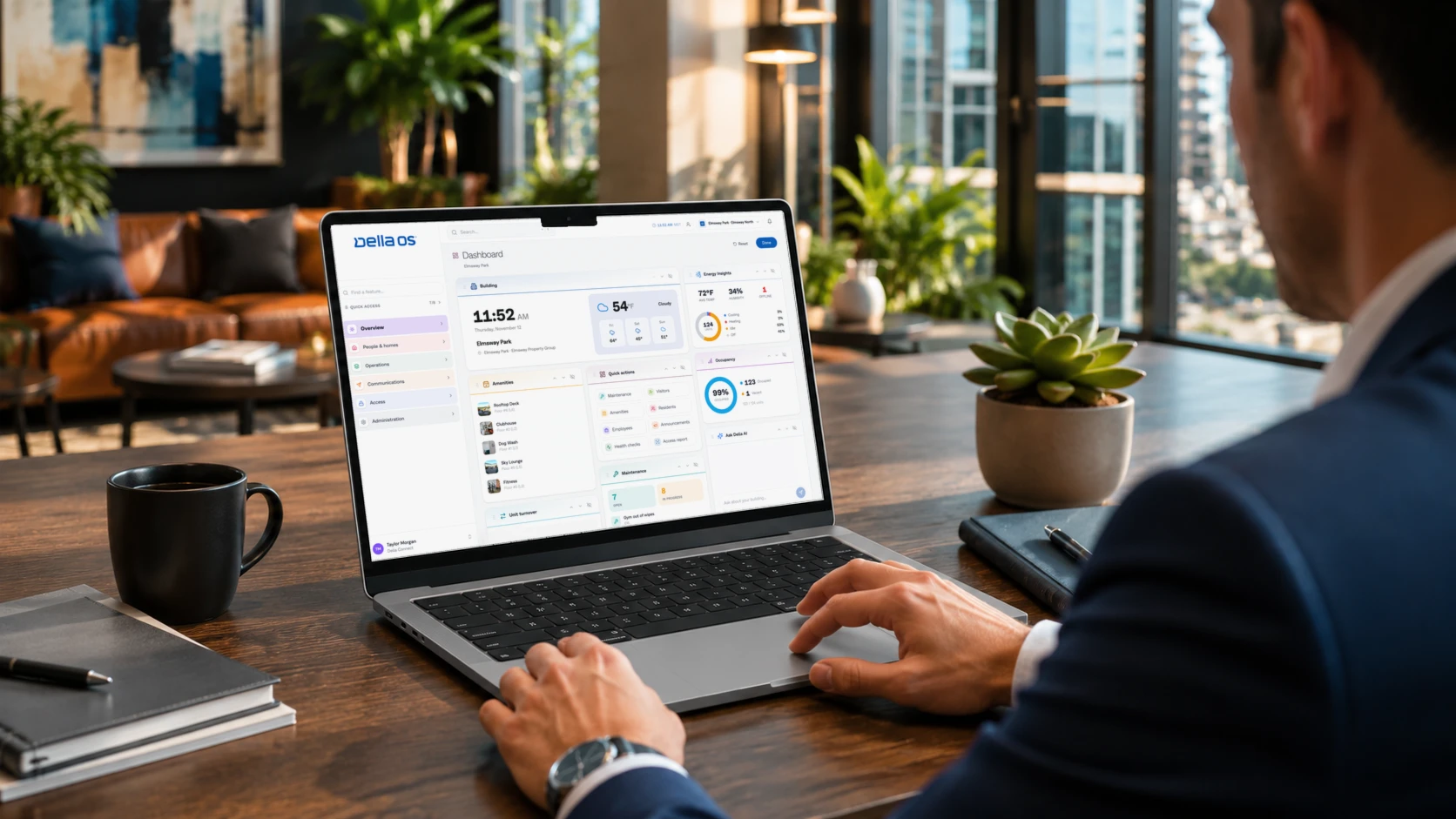
Della OS is the smart building operating system for multifamily and residential properties, from apartments and student housing to senior living and condominiums. Della Marketplace lets an owner create its own branded marketplace in Della Resident, select its partners and tailor its offers across internet, television, utilities, insurance, moving and home services. Della brings the marketplace experience together and can deliver the branded bill and collect the payment, while participating providers handle service delivery, so the owner earns without putting strain on its teams. Because Della is connected to the lease through Occupancy Sync, eligible offers can reach residents before they move in, and services stay in step with who lives in each unit.
Frequently asked questions
What is ancillary income in multifamily?
Income an owner earns beyond rent, such as a share of the resident services arranged through the property.
Does the owner have to become a utility or an internet provider?
No. Licensed and approved providers deliver the services. The owner chooses the partners and the offers, and the platform handles billing and collection.
How is this like managed Wi-Fi?
Wi-Fi was a cost until owners could own the network without running an IT department. Utilities and other services are at the same point: someone charges to deliver the bill and collect payment, and the owner can be that someone without new staff.
Do residents have to sign up?
No. The offers are a convenience, and residents choose what suits them.
How much can an owner earn?
It depends on the services offered, the agreements with providers and how many residents enroll. Ask for an estimate based on your own portfolio.
Does it need new building hardware?
No. A marketplace is software in the resident app.
Read how to make managed Wi-Fi an asset, why the operating model belongs in the underwriting and how smart building software can lower operating costs, or book a walkthrough.