The short answer: it's worth it when it removes work and cost you can name, not when it adds another app. Most owners judge building technology by equipment budgets and balance sheet numbers, but the biggest cost in most apartment buildings never shows up as a line item: operational drag, the hours staff spend moving information between systems by hand. Smart building software pays off by removing that drag, getting more out of the hardware a property already owns, improving the resident experience, reducing turnover and cutting the number of separate software subscriptions. Judge it property by property, with a baseline before you start.
The cost nobody budgets for: operational drag
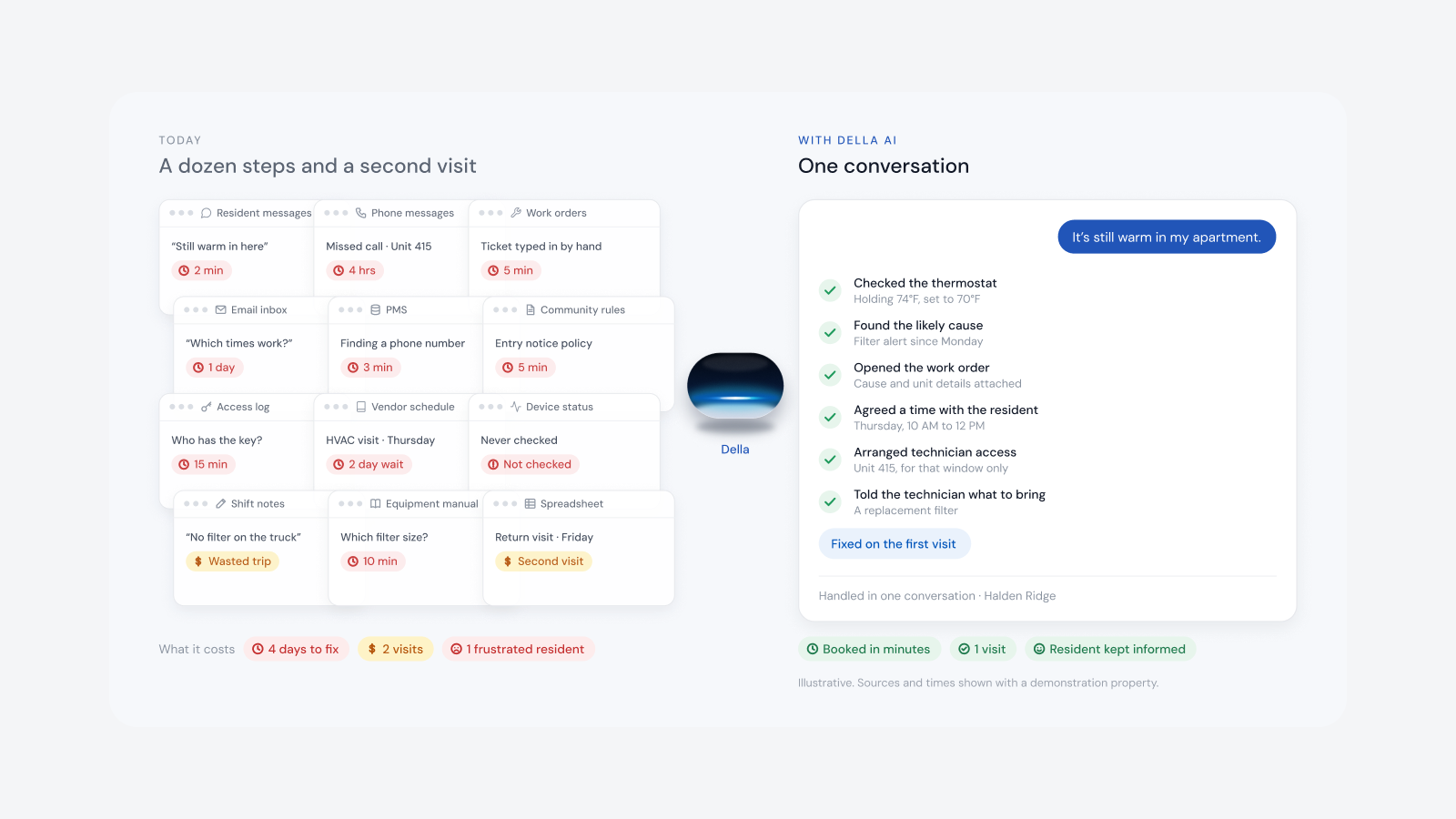
Equipment budgets are usually built from a handful of business metrics that find their way onto the balance sheet. What most companies don't measure is how much operational drag is pulling them down, and it can't be overstated.
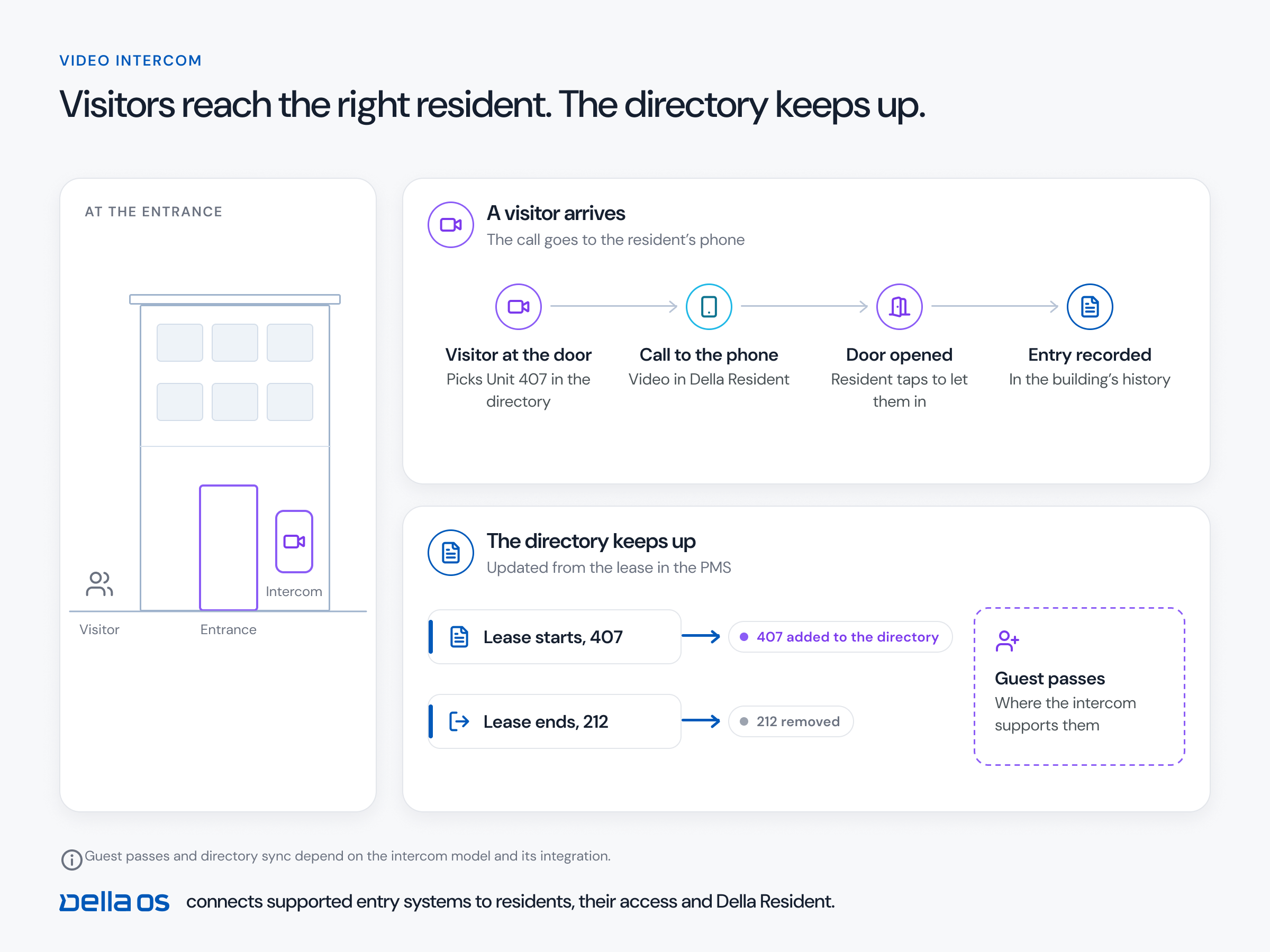
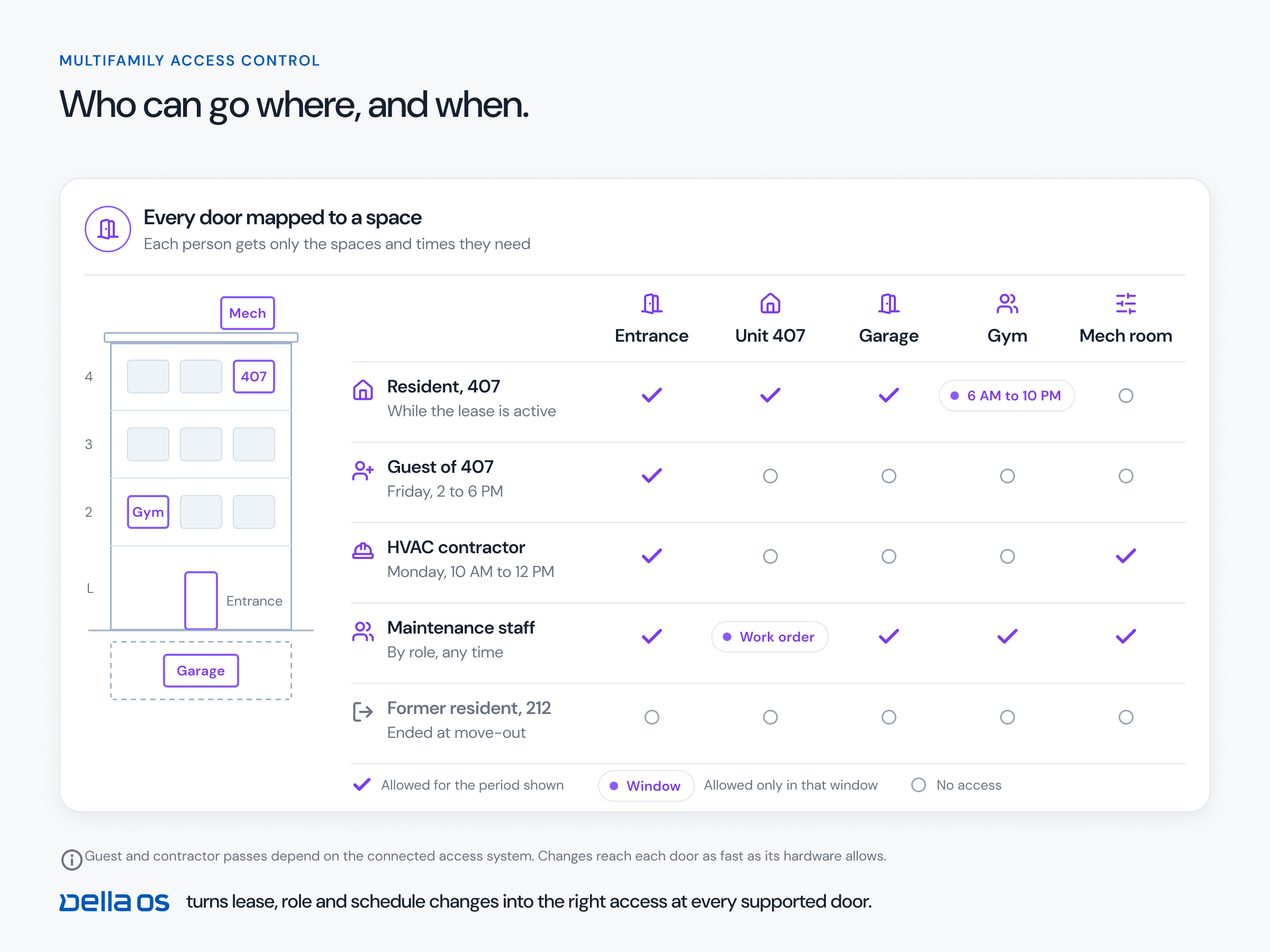
- Onboarding and offboarding by hand. Every move in and move out means entering the same resident into the access system, the intercom, the Wi-Fi, the parking list, the package lockers and the resident app, then removing them again later.
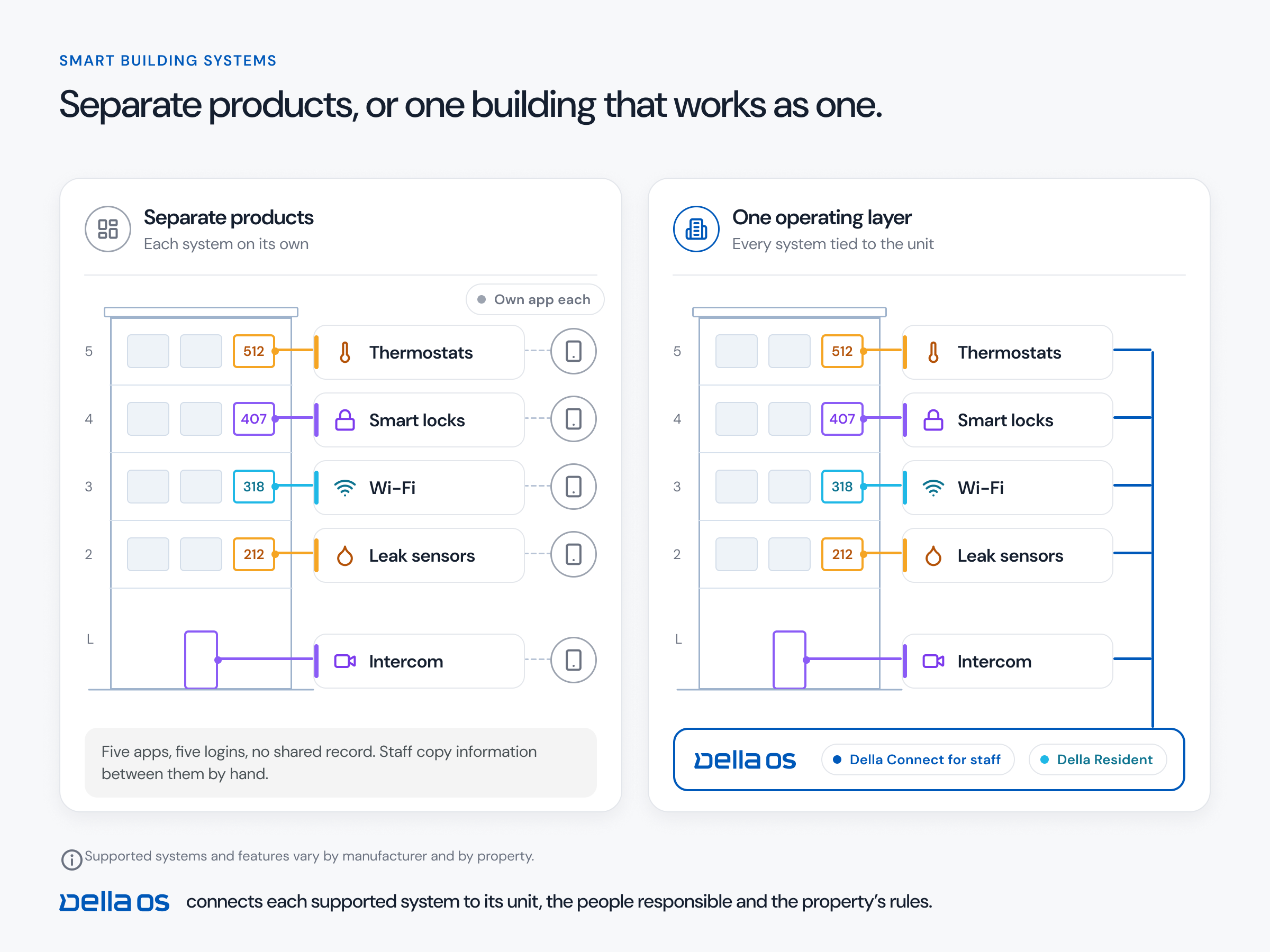
- People as the integration layer. When systems don't talk to each other, a staff member becomes the connection between them, logging into as many as 20 different systems just to get one resident moved in.
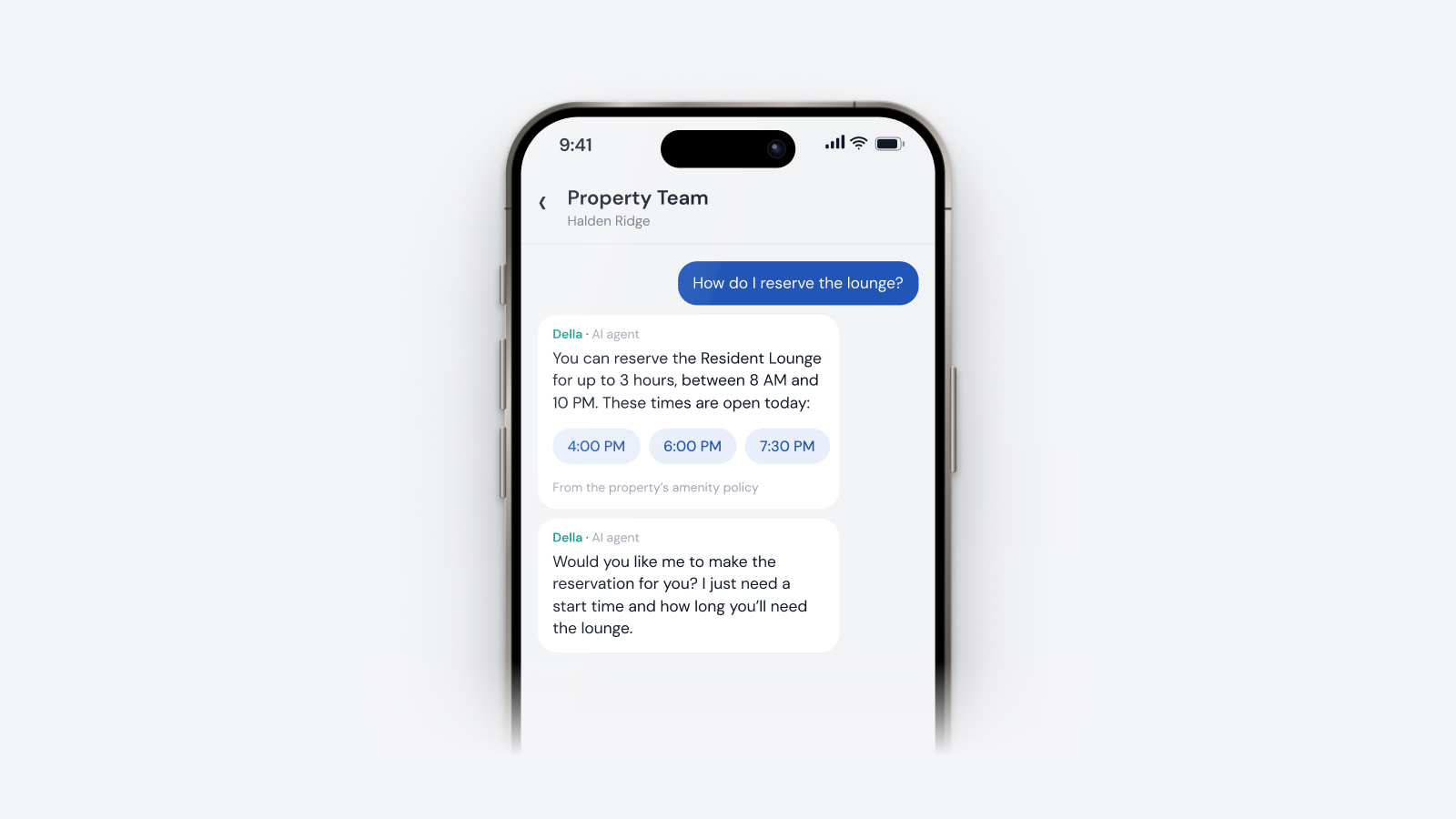
- Everyday communication tasks. Creating digital signage, updating an amenity, writing a building notice or preparing templated messages can each take hours, and they happen every day.
None of that shows up as an equipment cost, but it is paid for every day in staff time, delays and mistakes.
Where the value comes from
The value of smart building software is a chain, and each link feeds the next:
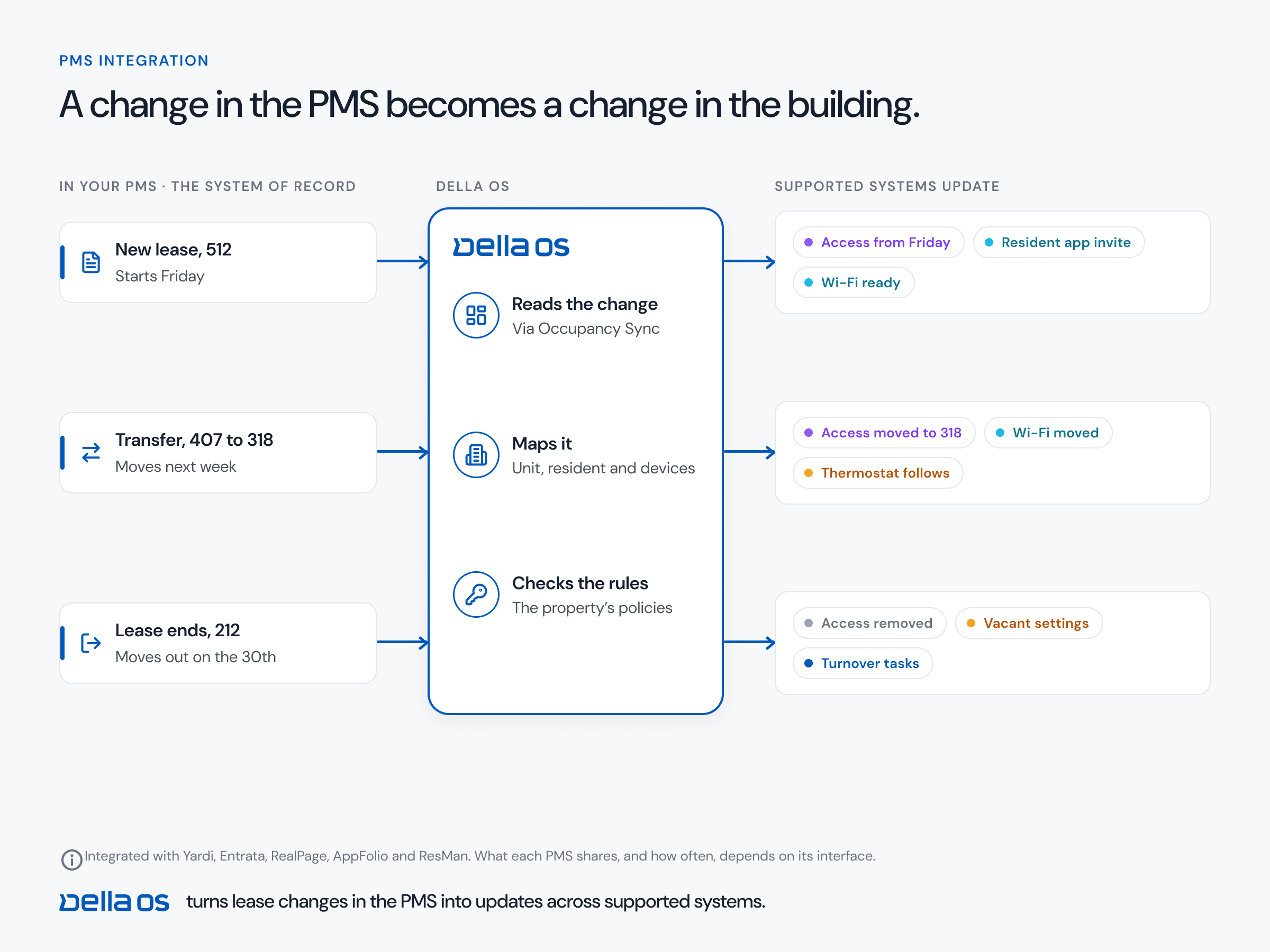
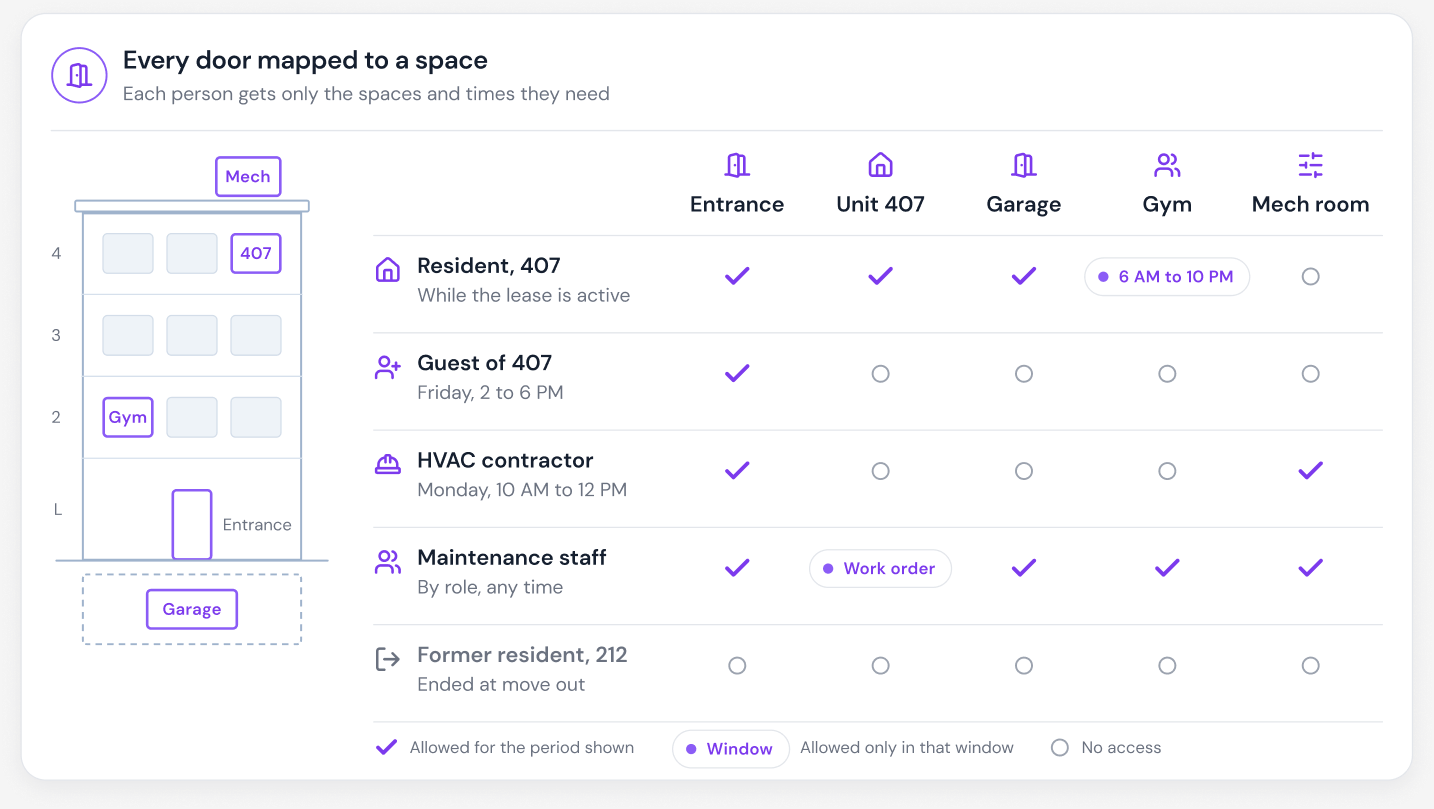
- Less drag. The lease in the property management system (PMS) drives access, Wi-Fi and services, so staff stop re-entering data. Notices, signage, amenity changes and messages are created once and reach everywhere they need to.
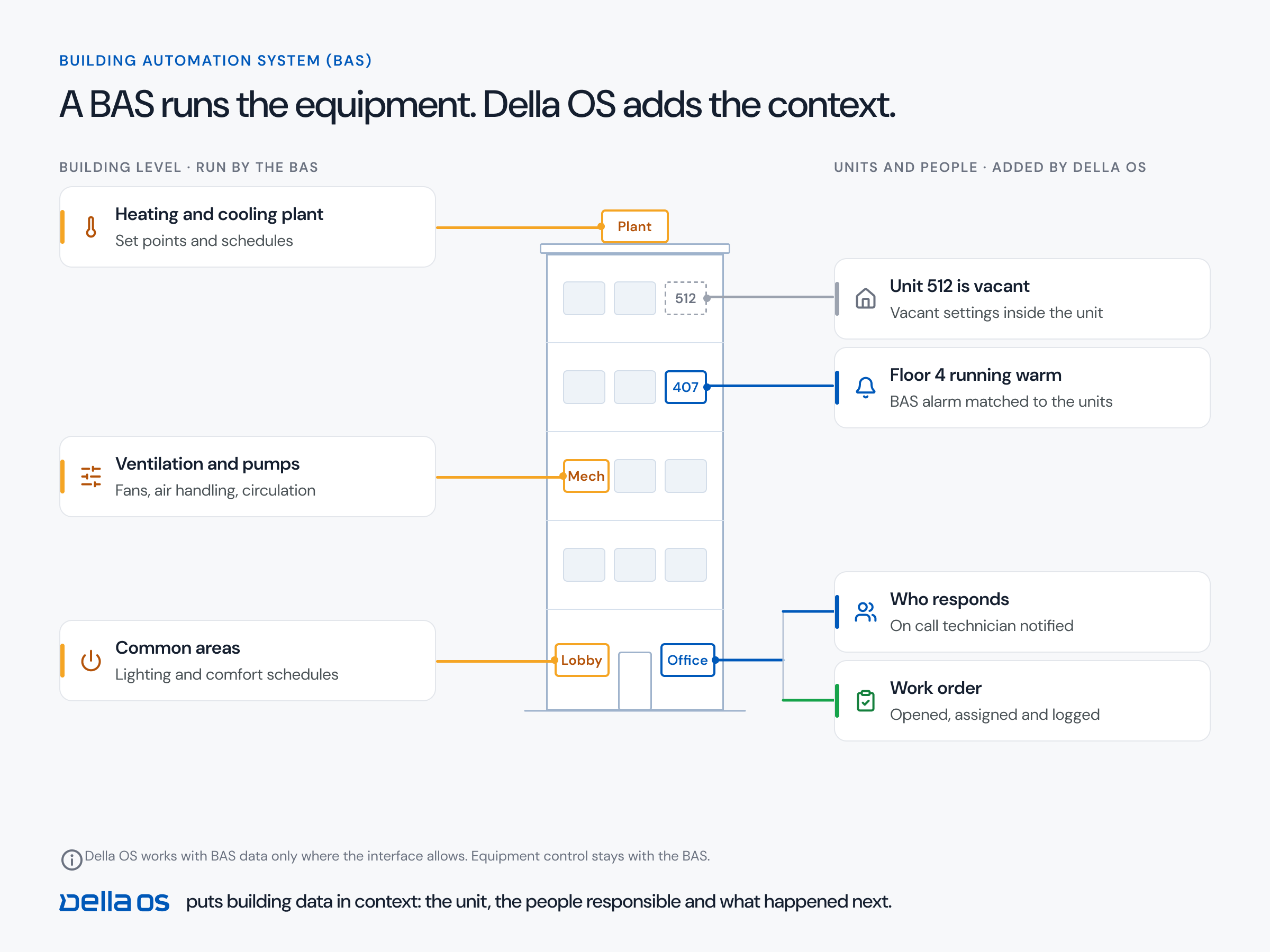
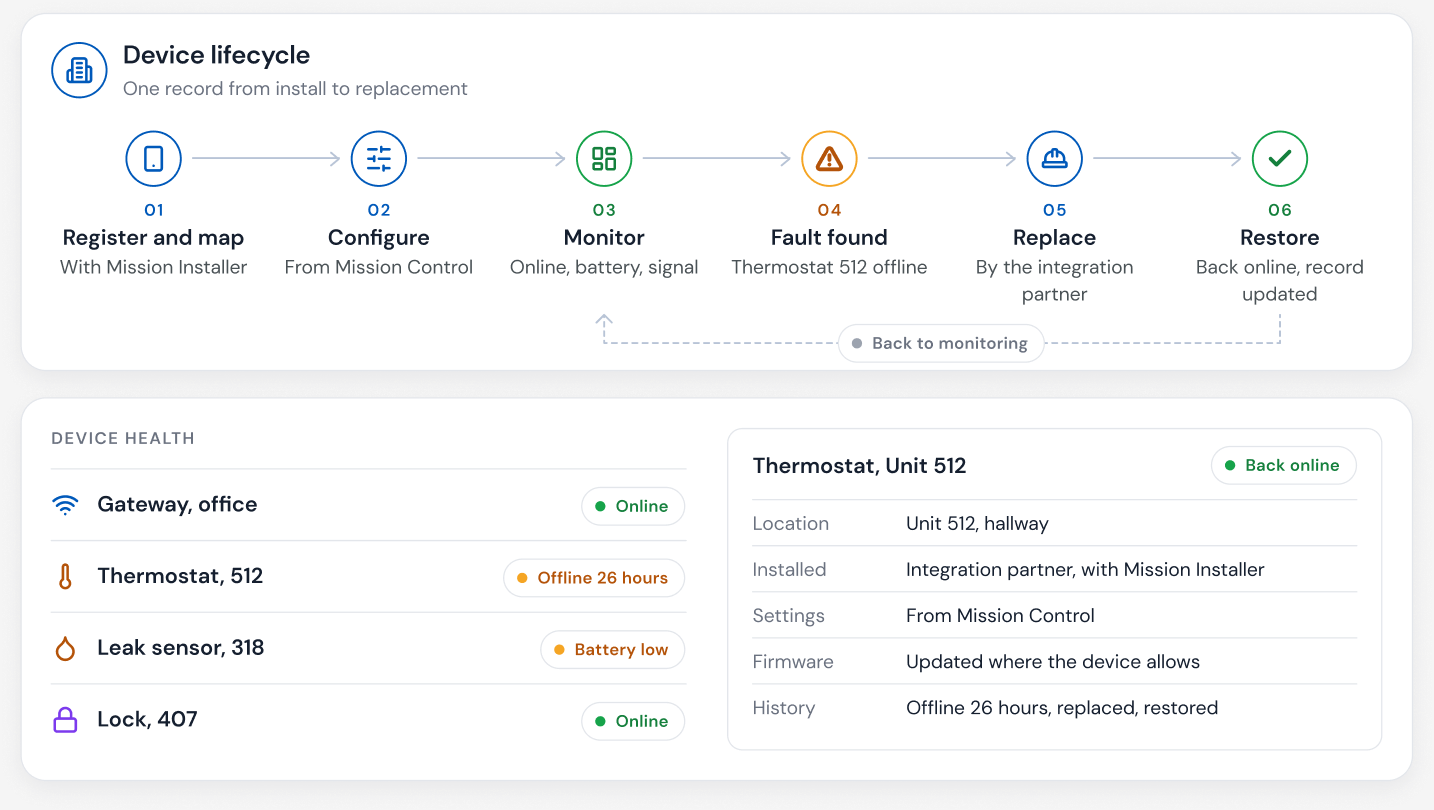
- More capable hardware. Locks, thermostats, sensors and intercoms a property already owns become far more flexible once they are part of the team's workflows, not just standalone devices.
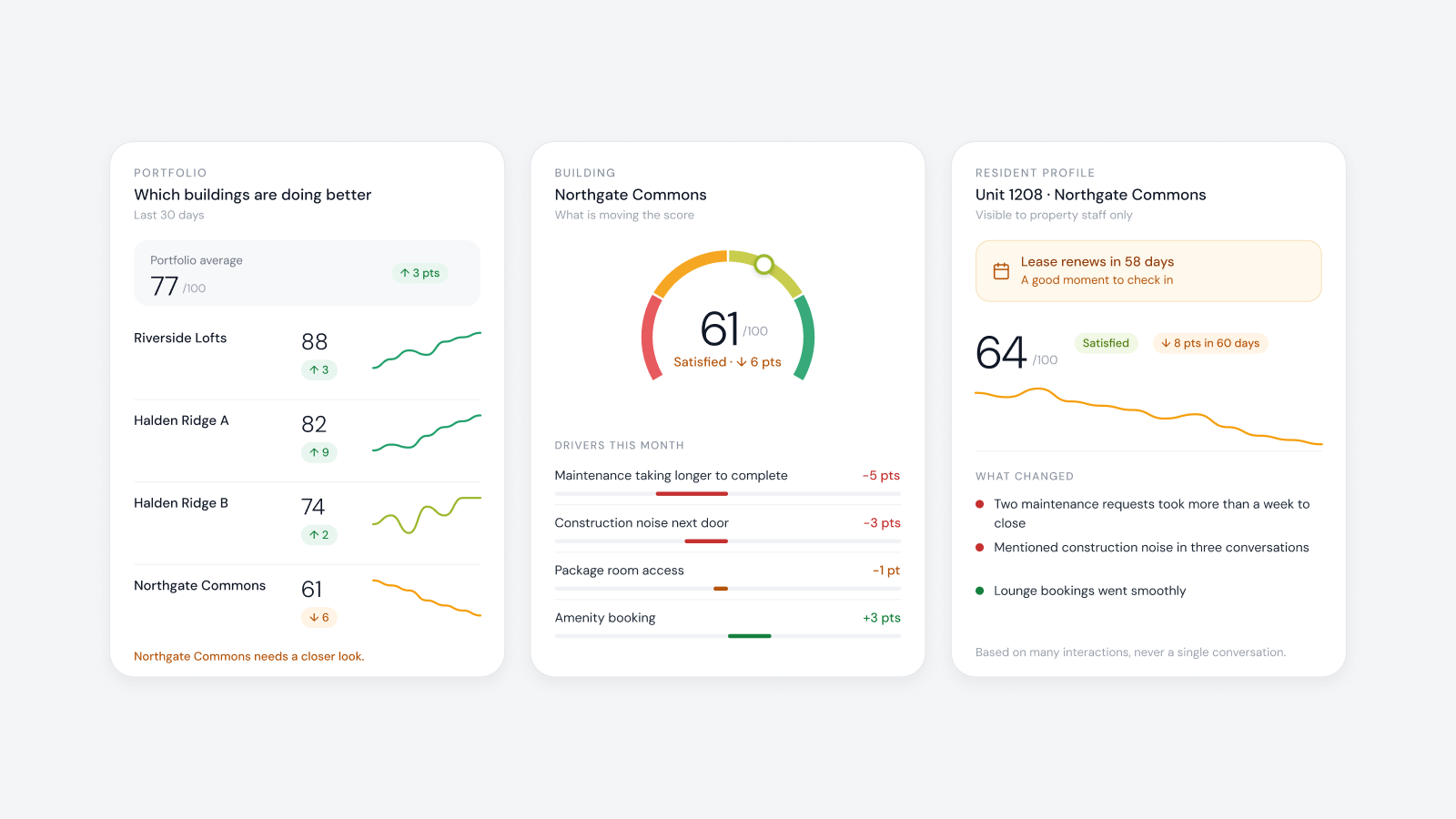
- A better resident experience. Residents get one app that works from move in day, problems are caught earlier and requests are fixed faster.
- Lower turnover. Fewer small frustrations add up at renewal.
- Fewer software bills. Separate apps and portals for the door, intercom, signage, messaging and resident experience can often be retired, which cuts SaaS costs and simplifies contracts.
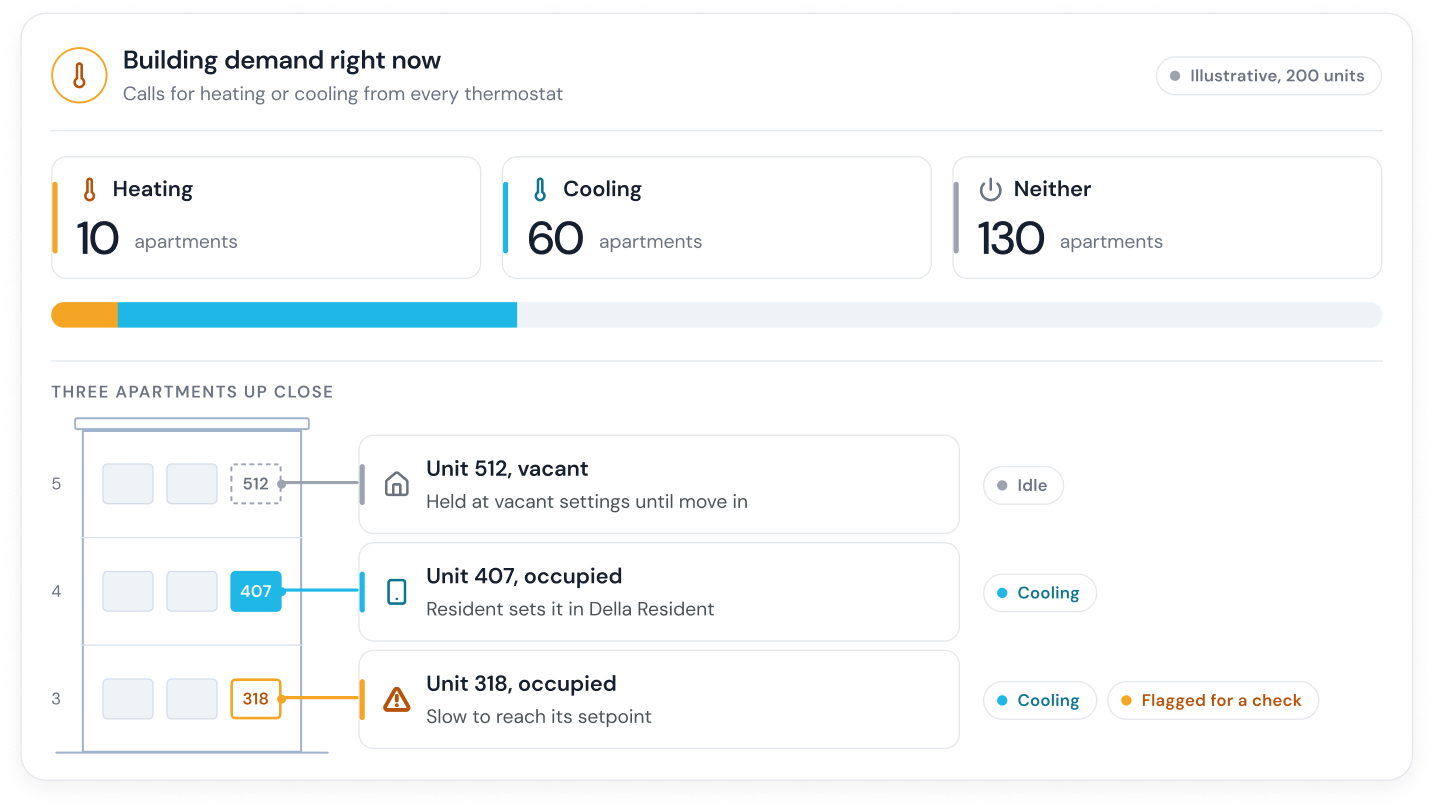
- Energy and income. Vacant units stop heating and cooling empty rooms, and approved resident services can create recurring income for the property.
When it isn't worth it
- When it requires replacing working hardware across the property just to start.
- When it adds another login instead of replacing several.
- When accounts and access are still managed by hand outside the PMS.
- When every property ends up with a different setup that only one person understands.
Is it worth it for a small portfolio?
Often, yes. A small team feels every manual move in, every notice written from scratch and every repeat maintenance visit, because there are fewer people to absorb them. Start with access, the resident app and the PMS connection on the hardware you have, then add thermostats and sensors when the building is ready.
How to judge the value, step by step
- Measure the drag. Time staff spend on each move in and move out, how many systems they log into, and how long notices, signage and amenity changes take.
- Set the other baselines. Vacant unit energy, repeat maintenance visits, resident complaints and renewal rate.
- List the software you'd retire. Separate door, intercom, signage, messaging and resident apps and their contracts.
- Check the hardware. How much of what you need works on equipment you already own.
- Count every cost. Software, any hardware, installation and support, quoted for each building.
- Pilot one property and measure the same numbers after a full season.
Where Della OS fits
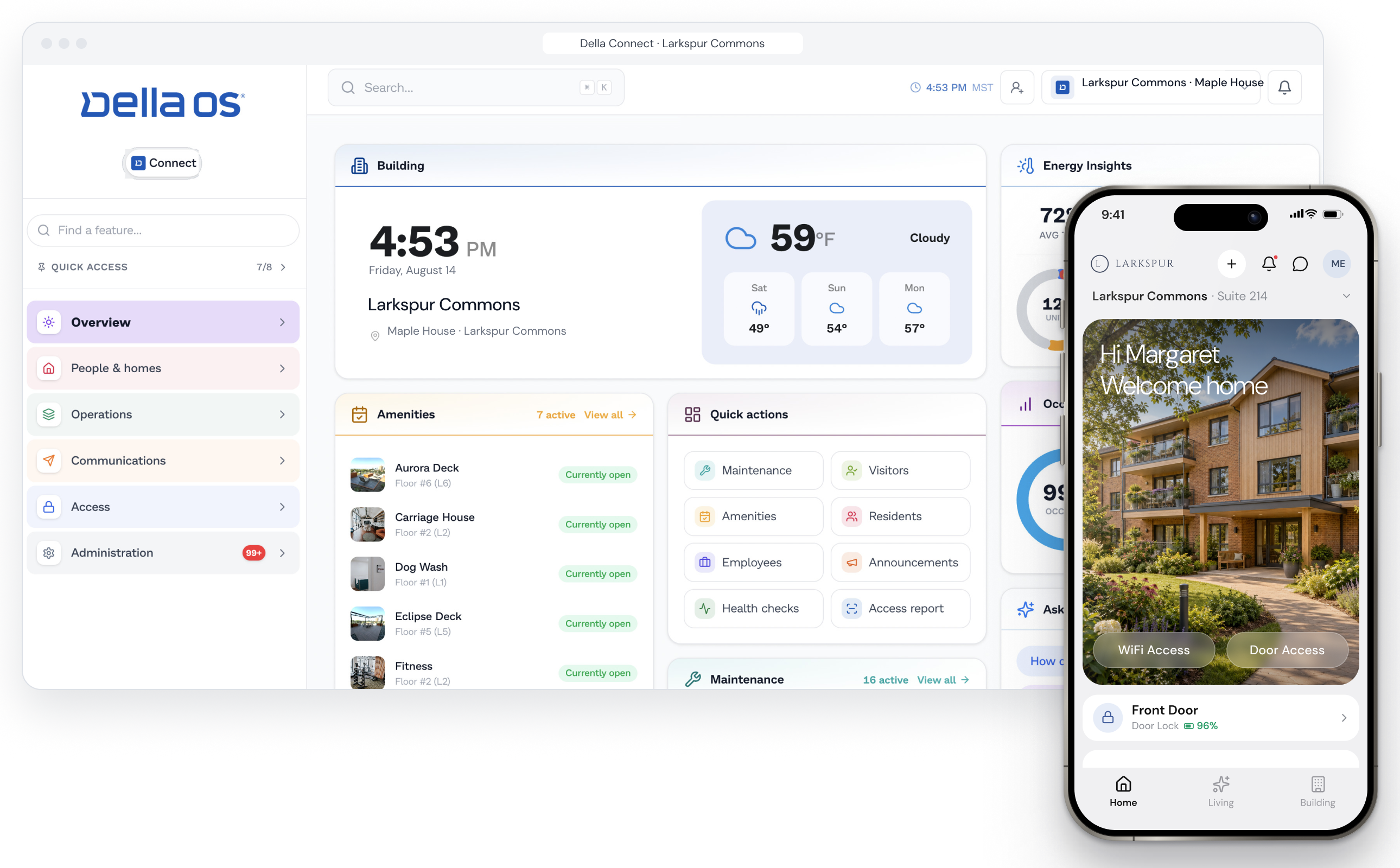
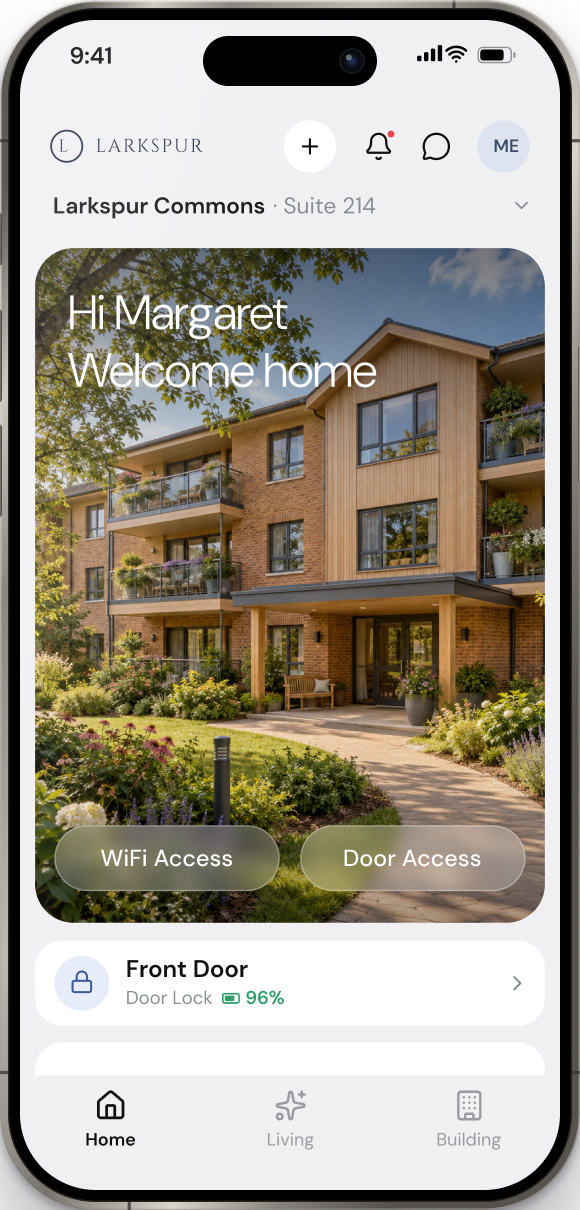
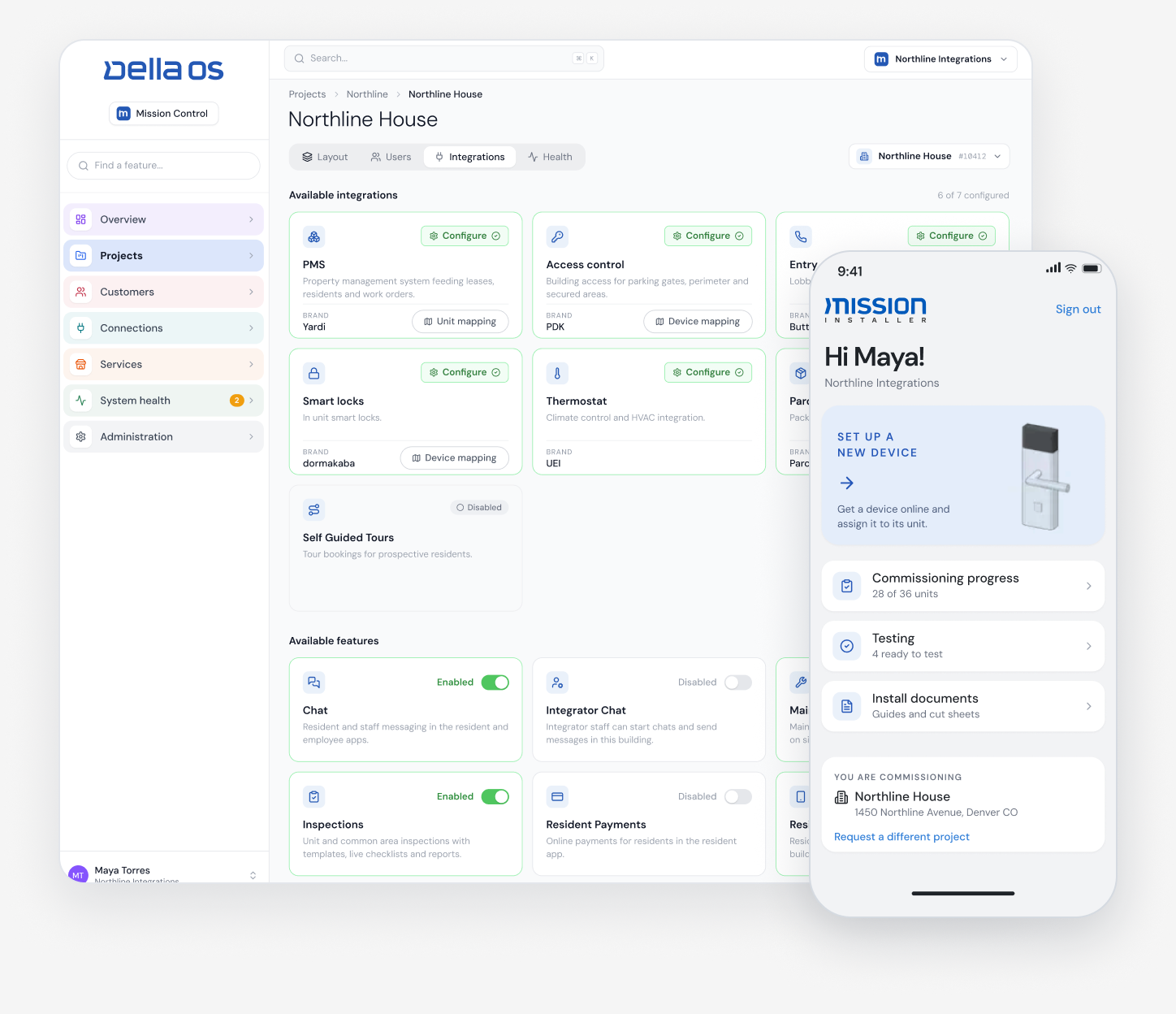
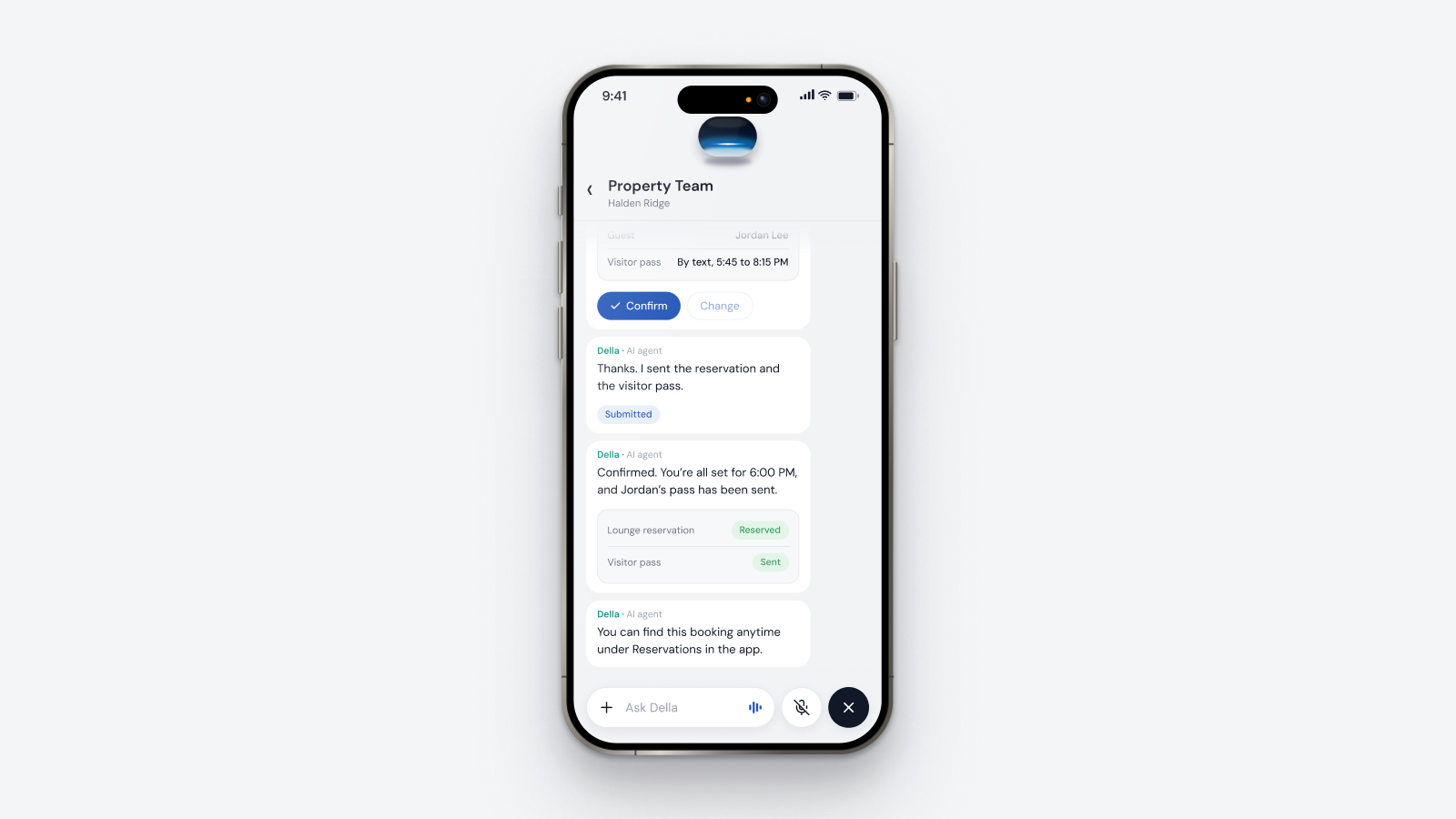
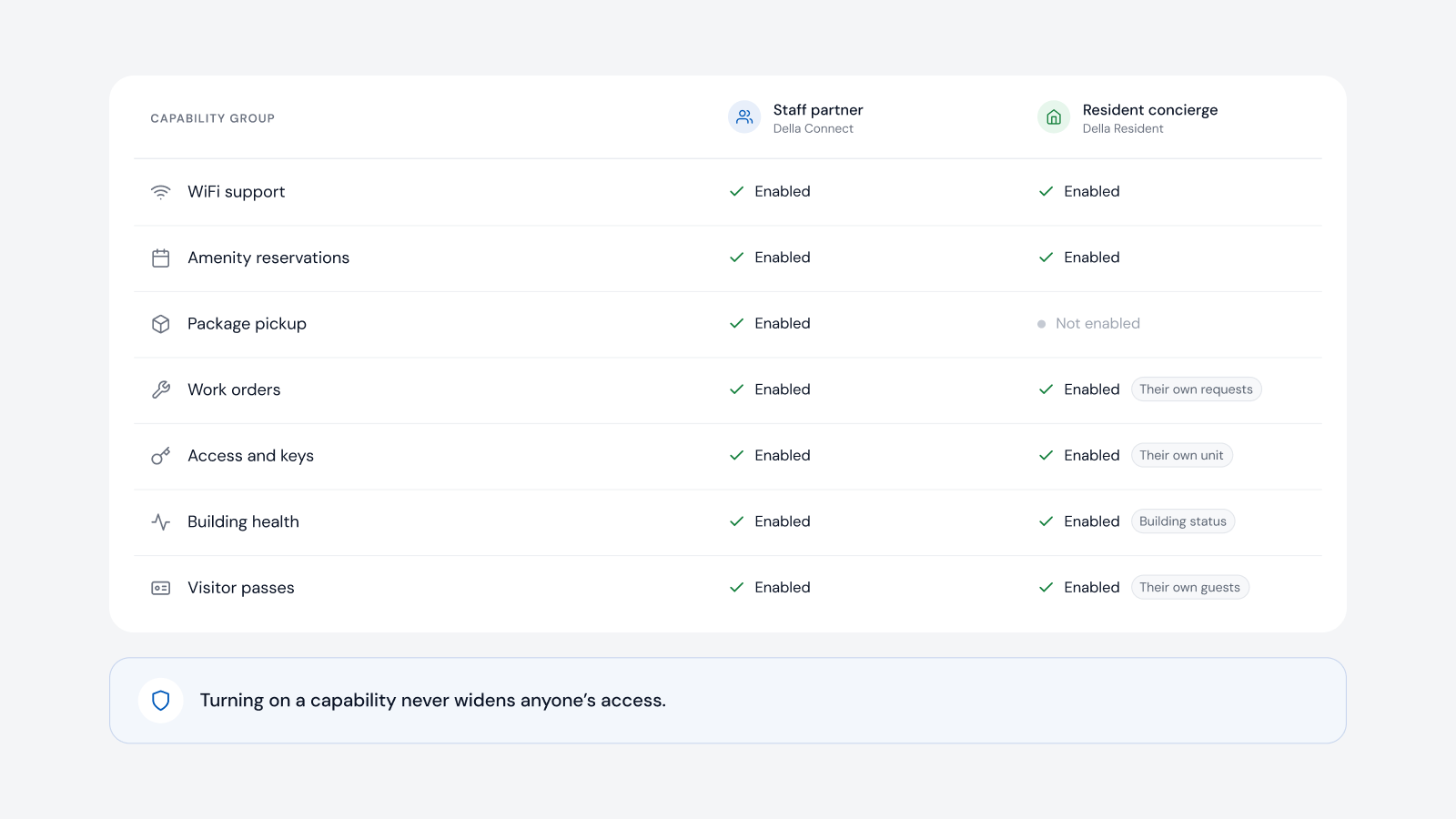
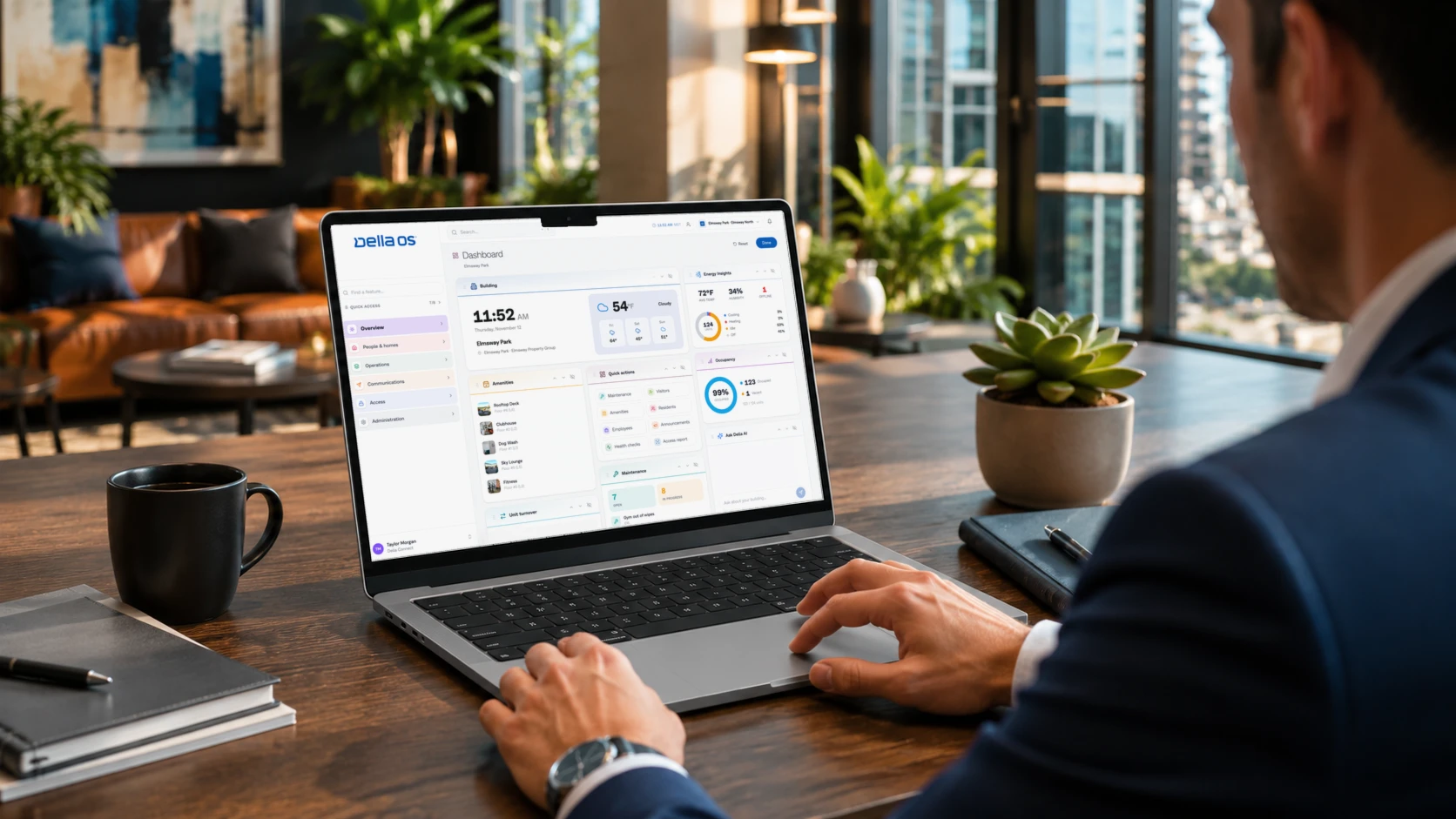
Della OS is the smart building operating system for multifamily and residential properties, from apartments and student housing to senior living and condominiums. It is built to remove operational drag: the lease in Yardi, Entrata, RealPage, AppFolio or ResMan drives access, Wi-Fi and services at move in and move out, so staff stop being the integration layer. Notices, templated messages, amenity updates and digital signage are created once in Della Connect and reach residents through Della Resident and the building's screens. When Della connects to the hardware a property already owns, that equipment becomes part of the team's workflows, and about 60% of Della OS capabilities need no new hardware at all. The software is a small cost next to the staff time, retired subscriptions and resident retention it gives back, and approved services through Della Marketplace can add recurring income. Results depend on the building, so every property is measured against its own baseline.
Frequently asked questions
Is smart building software worth it for apartment owners?
When it removes manual work, gets more out of existing hardware, improves the resident experience and replaces separate software, yes. Measure it against a baseline at one property first.
What is operational drag?
The hidden cost of staff moving information between systems by hand: entering residents into many systems at move in and out, and spending hours on notices, signage and messages that could be created once.
How do owners measure the value?
With a before and after on staff time per move in and move out, time spent on communications, vacant unit energy, repeat maintenance visits, renewals and software retired.
Do we have to buy new hardware?
Usually not to start. About 60% of Della OS capabilities need no new hardware.
Does Della OS guarantee savings?
No. Results are building specific, which is why we recommend measuring each property against its own baseline.
Read can smart building software lower operating costs, why building systems don't work together and what smart building software costs per unit, or book a walkthrough.