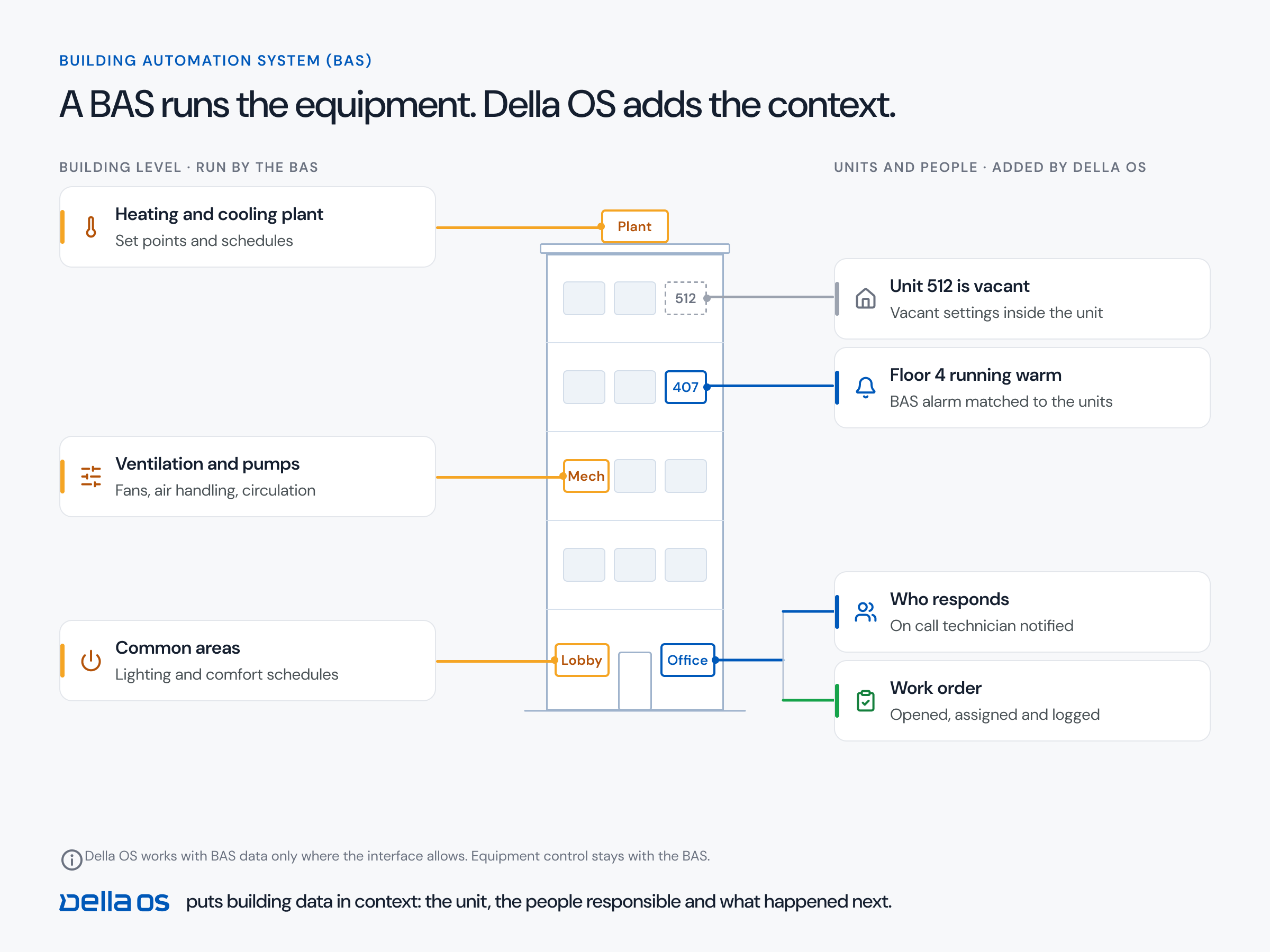
The short answer: a building automation system (BAS) runs a building's central mechanical equipment, such as boilers, chillers, air handlers, ventilation and common area lighting, using sensors, schedules and setpoints. It's costly base infrastructure built for the plant, not for the people: residents never see it, and a BAS usually doesn't know who lives in each unit, which units are vacant or which resident a problem affects. In apartment buildings, keep the BAS for central equipment and use a smart building platform for the unit and resident side: thermostats inside units, access, leak alerts and work that follows the lease. With unit level data coming from that platform, many properties need less BAS than they think.
What a BAS does well
- Runs central heating and cooling plant to schedules and setpoints.
- Controls ventilation, pumps, fans and common area lighting.
- Raises alarms when equipment fails or drifts out of range.
- Trends equipment data so engineers can tune performance.
What a BAS usually isn't built for in apartments
Much of the daily work in an apartment building happens at the level of the unit and the resident, and that's outside what a BAS is designed to do:
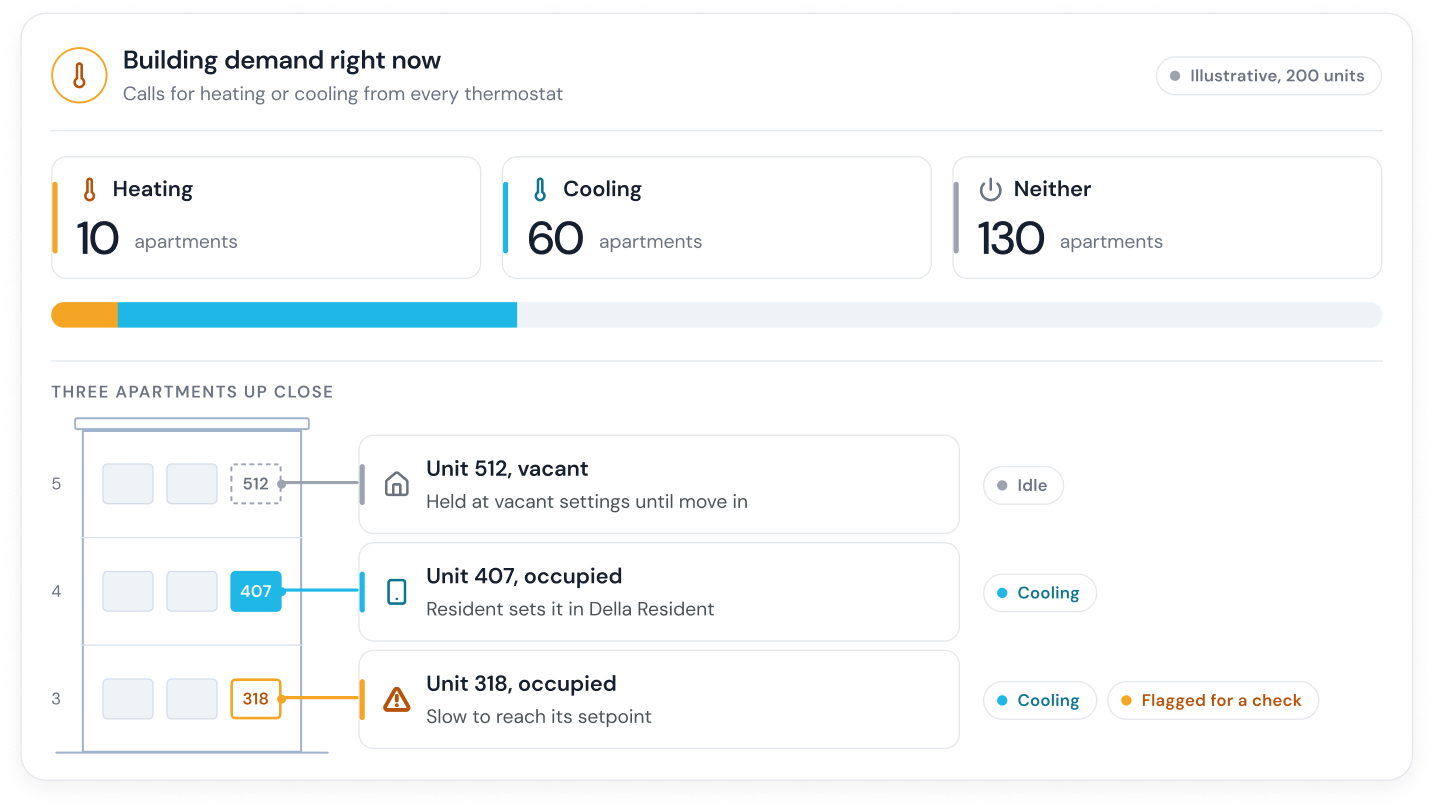
- Occupancy. Which units are leased, vacant, being turned or about to be moved into.
- Devices inside units. Thermostats, fan coils and sensors that residents use every day.
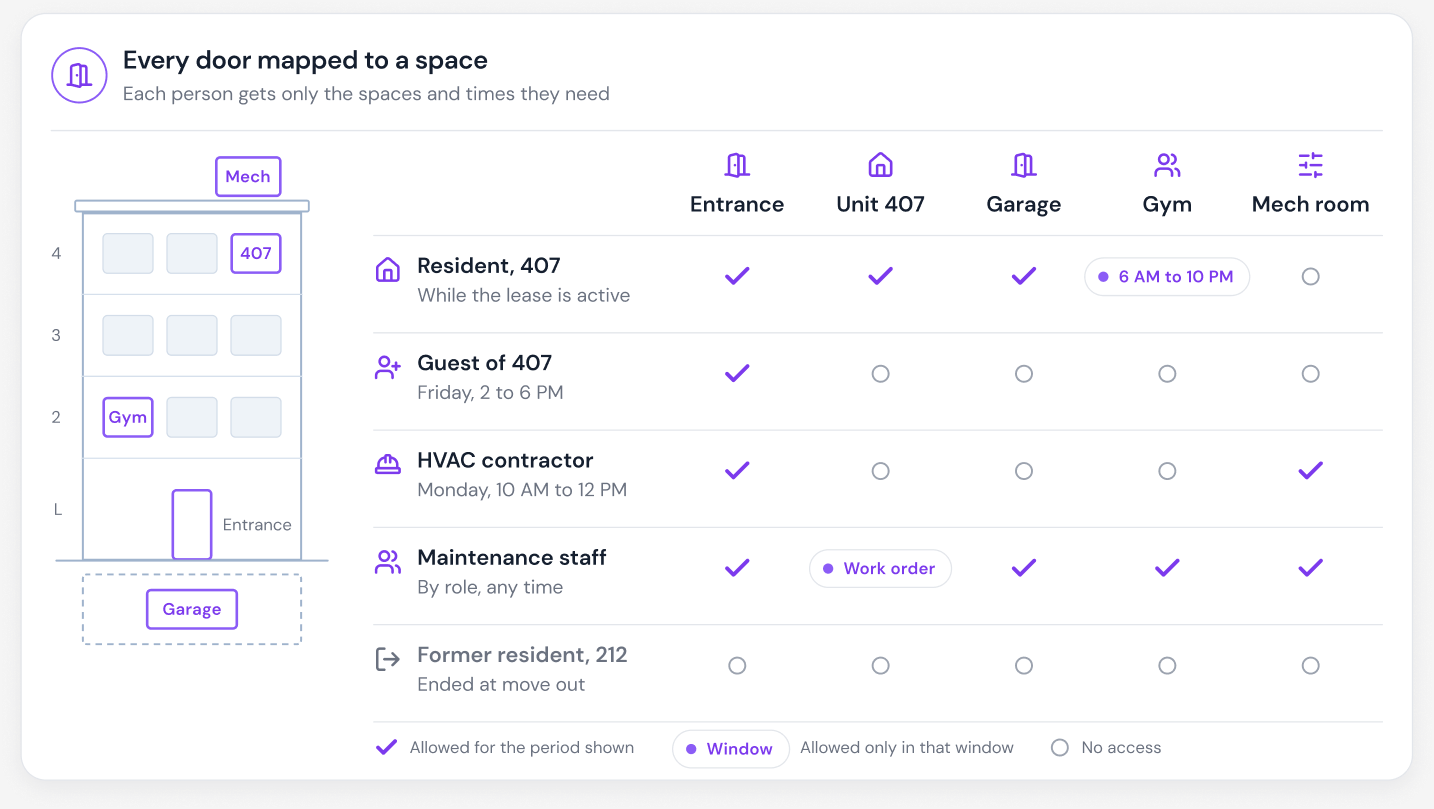
- Access. Who can open which door, and when.
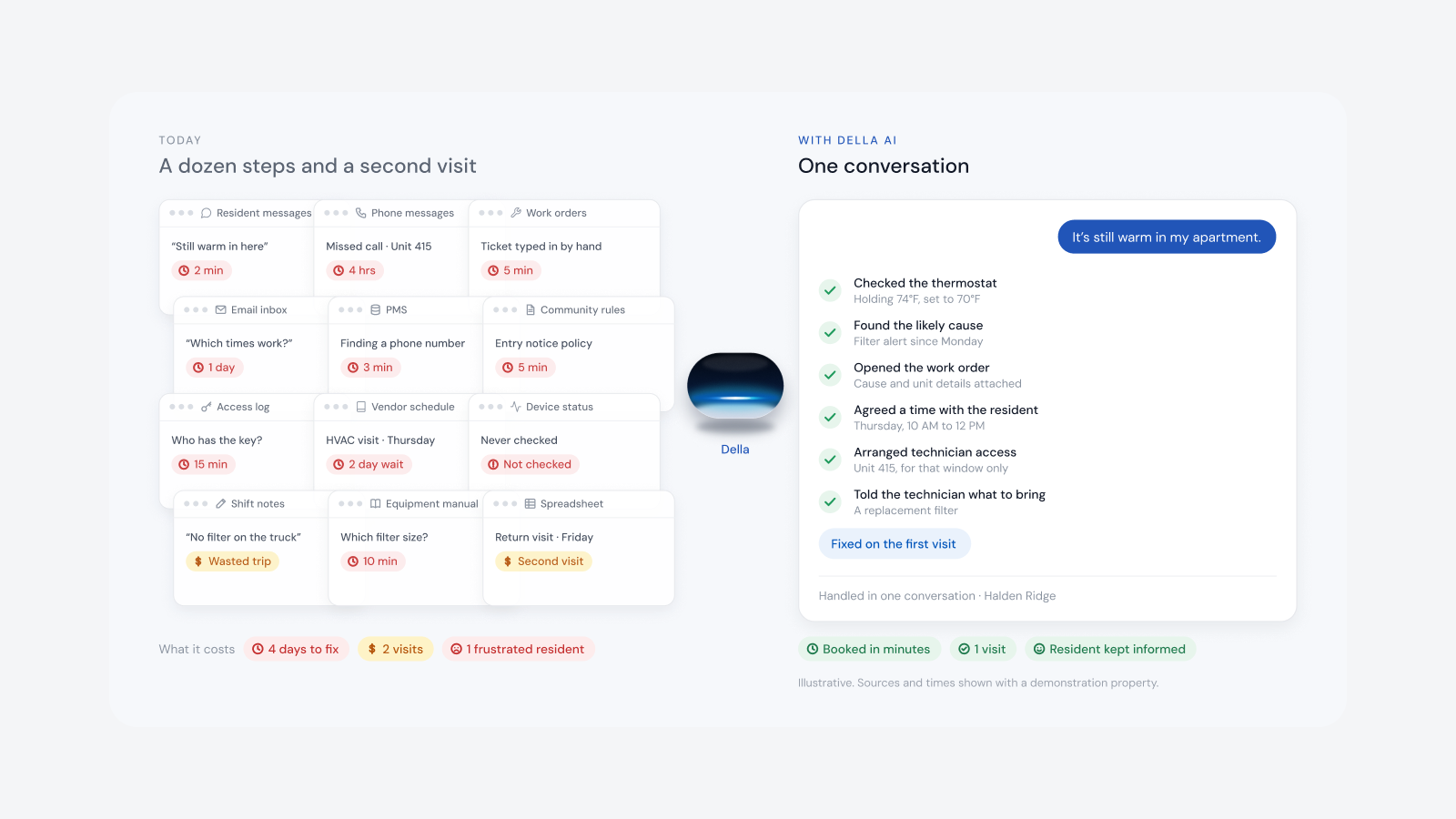
- People. Telling the right resident, opening a work order against the right unit and sending the right technician.
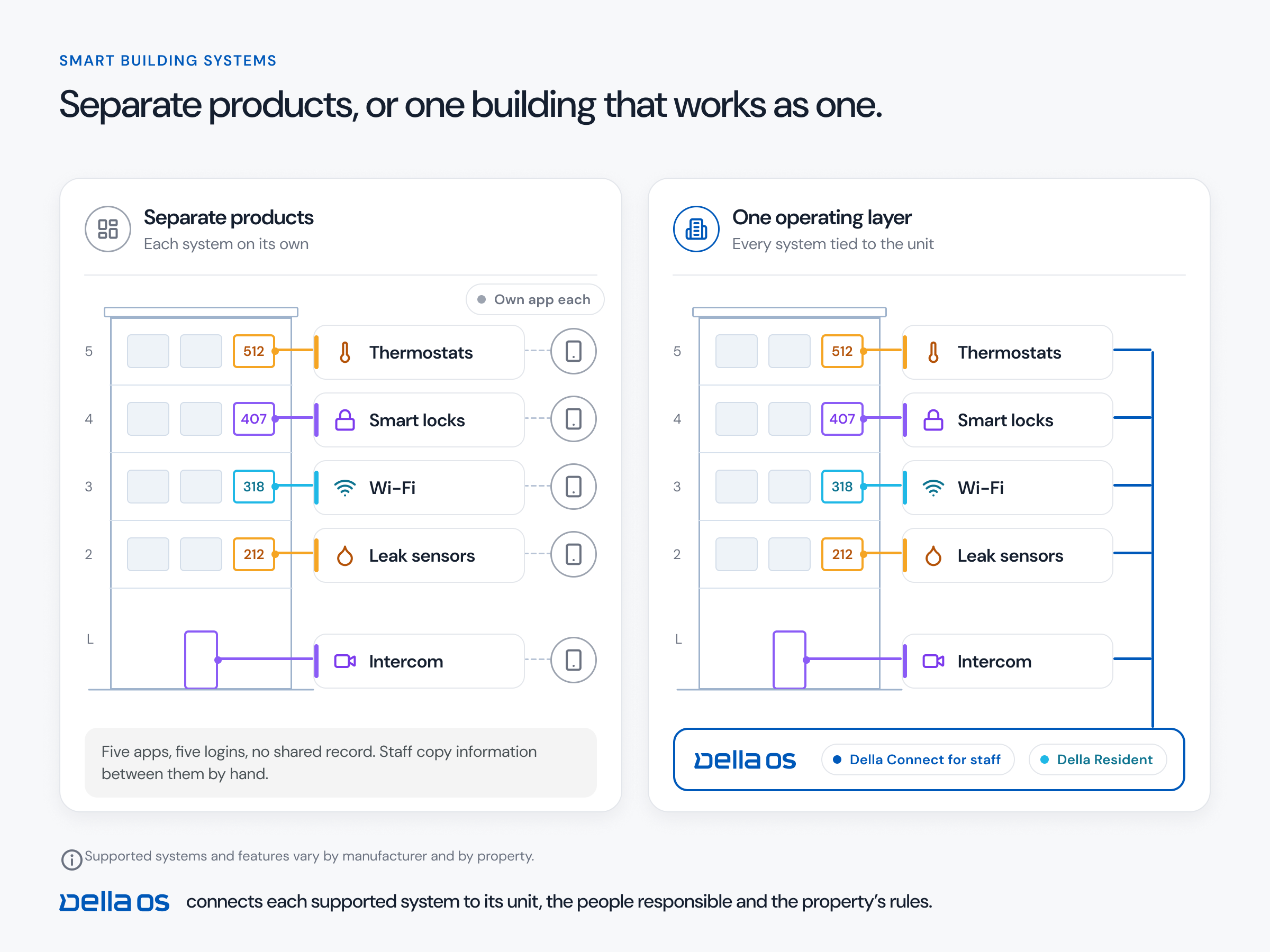
When teams try to run all of that from the BAS, or from a stack of separate tools beside it, they end up keying the same information into several systems.
BAS, smart apartment platform or building operating system?
Is building automation worth it for a small apartment portfolio?
It depends on the equipment. A full BAS earns its keep where there's central plant to run, such as a boiler or chiller serving the whole building. Many smaller and garden style properties have mostly equipment inside each unit, such as split systems or packaged units. There, connecting unit thermostats to occupancy usually does more for energy and comfort than a central BAS. Start from the problem you want to solve, not from the category.
How to decide what your building needs, step by step
- Inventory the equipment. Separate central plant from equipment inside units and common areas.
- Name the work. Energy in vacant units, comfort complaints, equipment failures, maintenance response or all of them.
- Keep what works. A BAS that runs the plant well should stay in place.
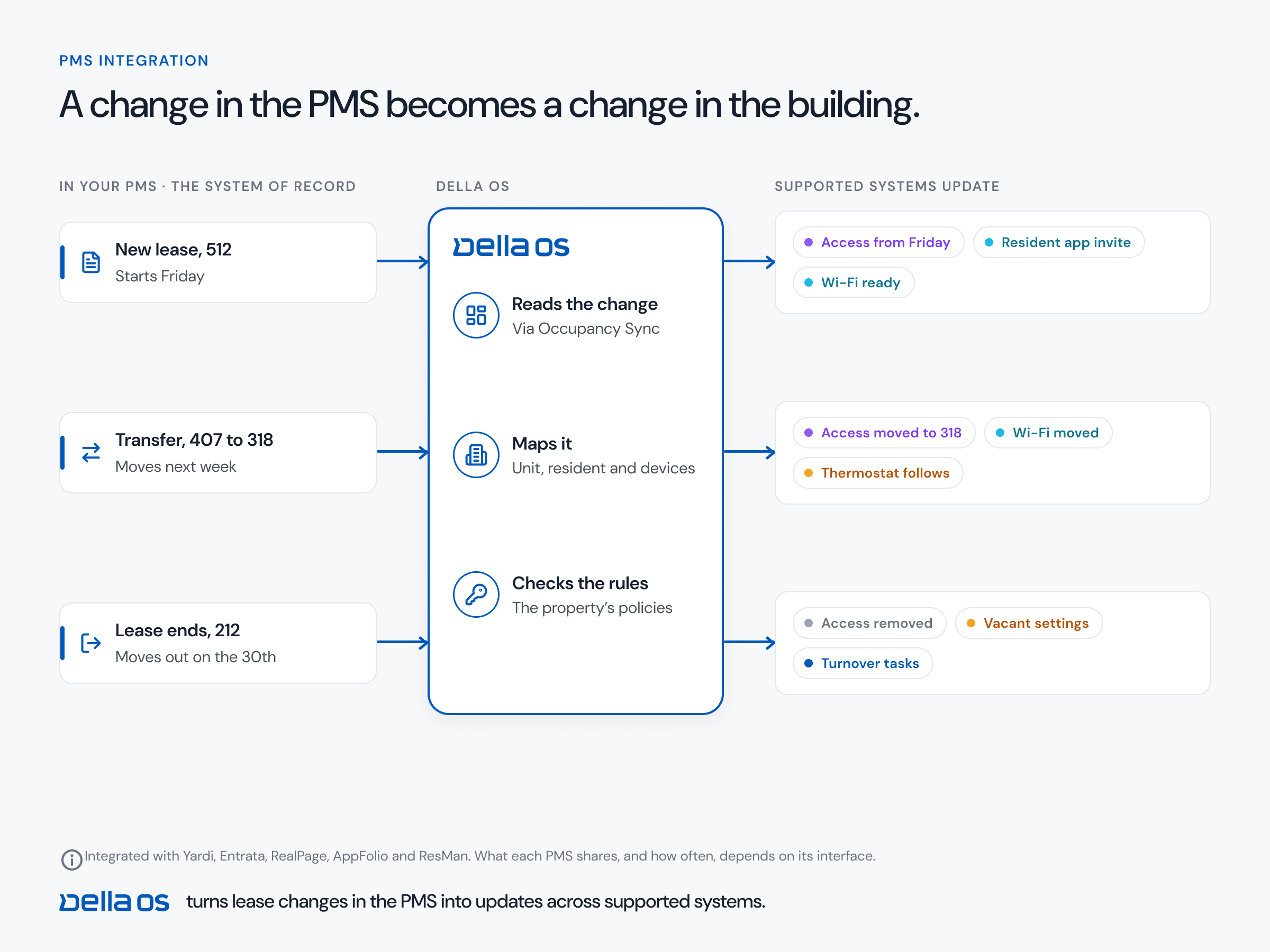
- Connect the units to occupancy. Unit thermostats should follow the lease, with vacant settings when a unit is empty.
- Size the BAS to the plant. Before extending a BAS into every unit, check how much of that job unit level data from a smart building platform already covers.
- Decide what needs to talk to what. Ask whether equipment alerts can reach the people who fix them, tied to the right unit or space.
- Measure. Compare energy use and response times before and after, season by season.
Where Della OS fits
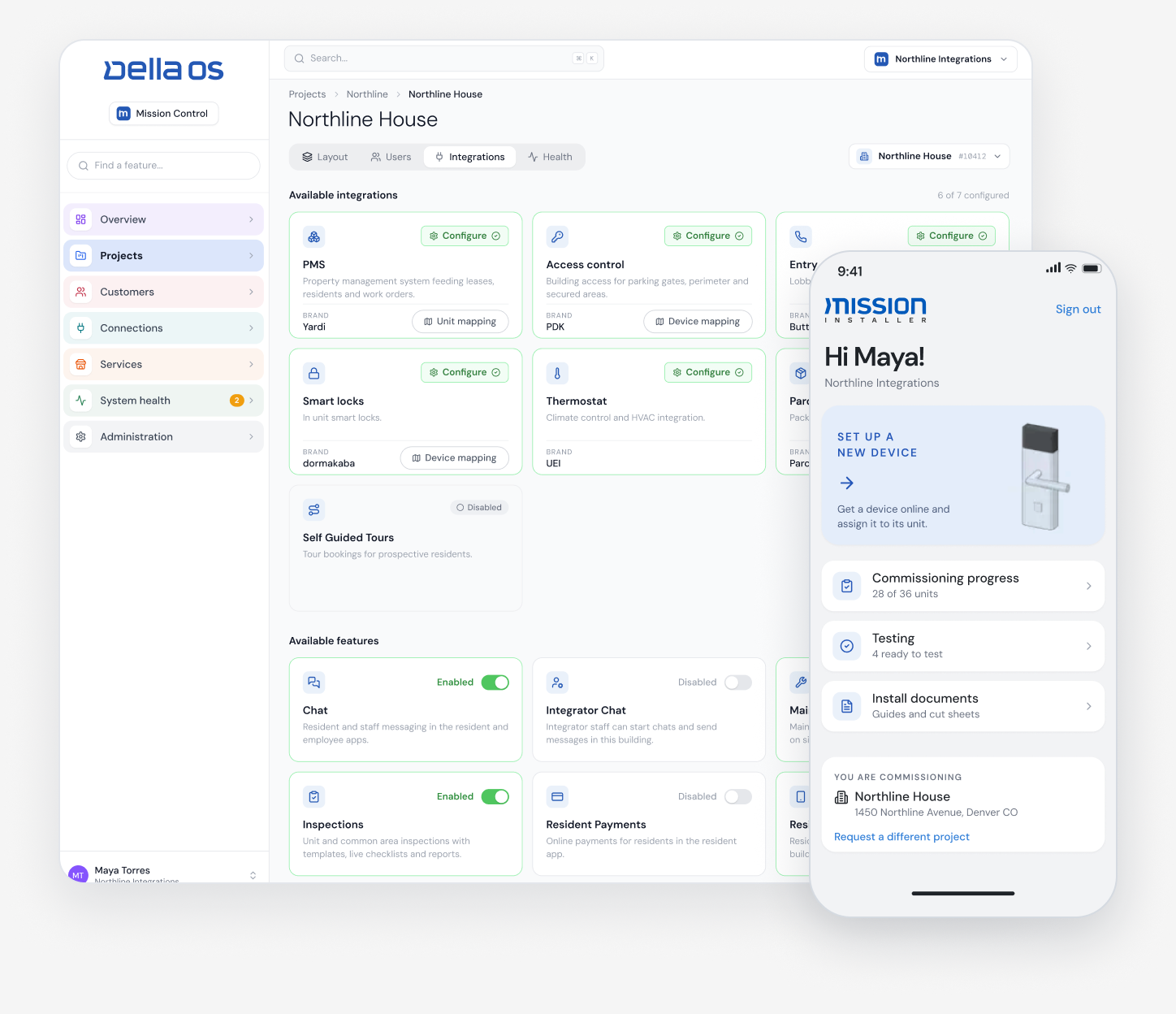
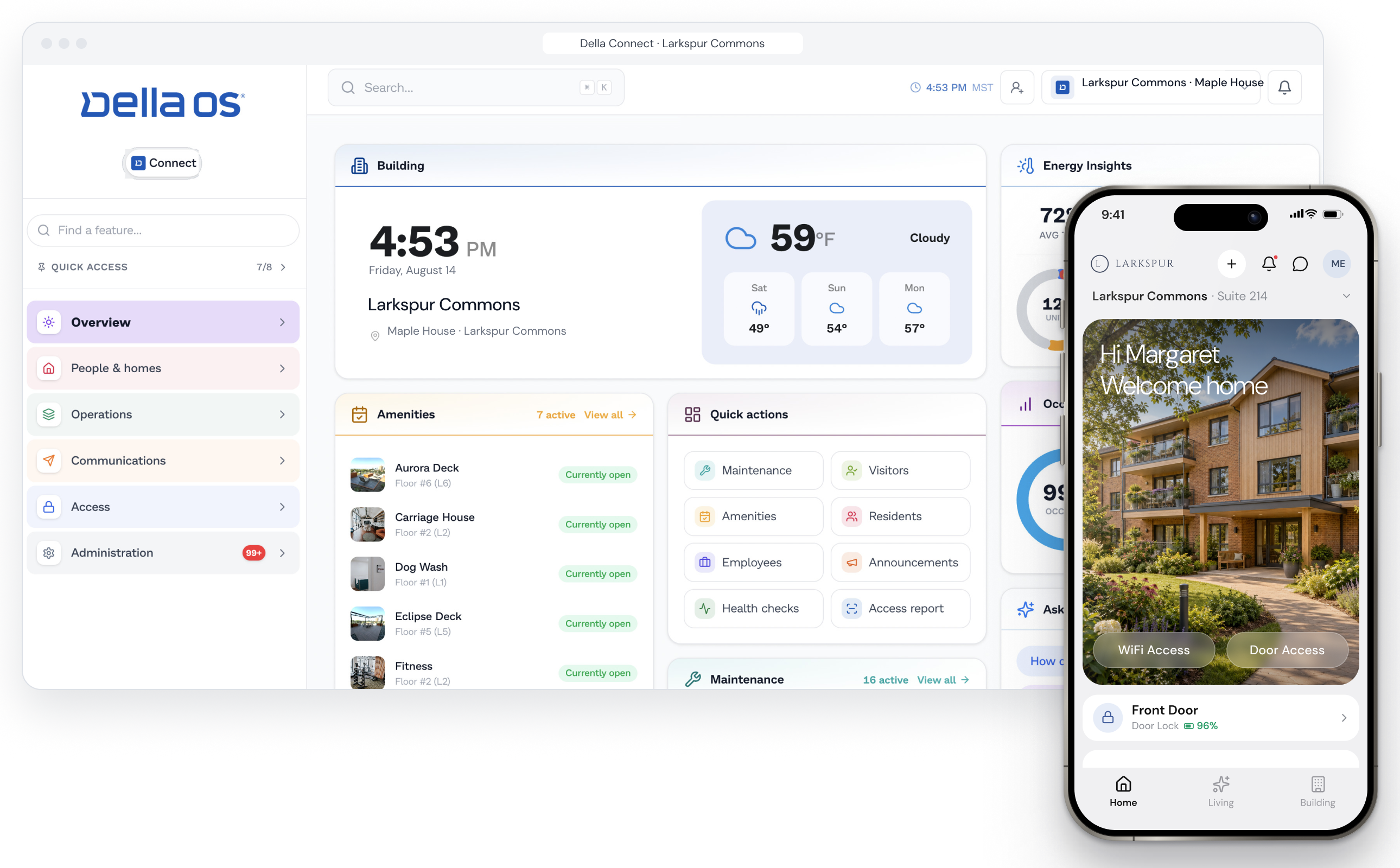
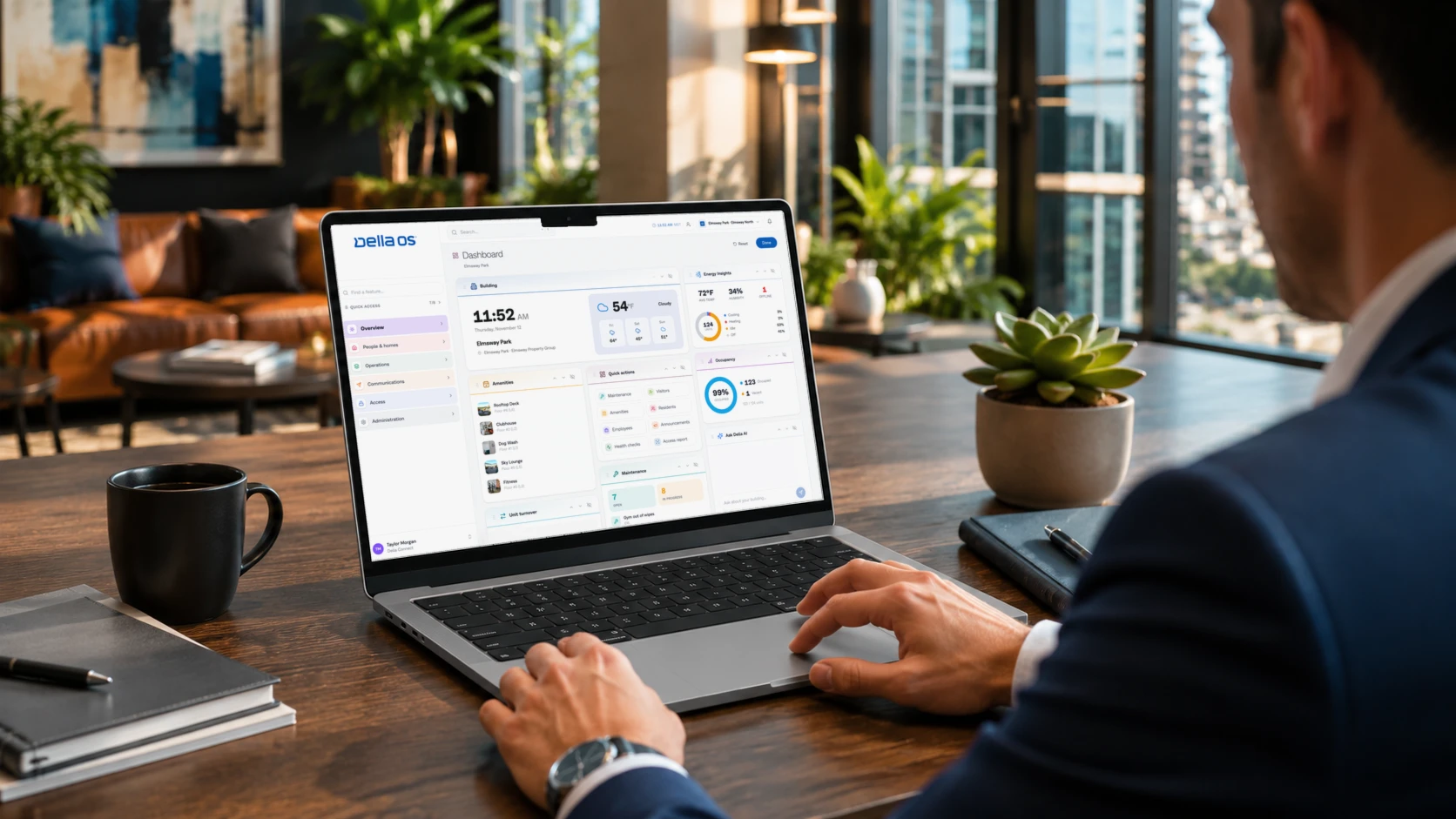
Della OS is the smart building operating system for multifamily and residential properties, from apartments and student housing to senior living and condominiums. It handles the unit and resident side of building operations: supported thermostats and controllers inside units, vacant unit settings that follow the lease, temperature alerts and HVAC energy dashboards, in the same place teams manage access, connectivity and residents. Where a property connects them, Della OS can also communicate with VRV and VRF systems and central plant equipment, working alongside the BAS rather than replacing it. Because Della OS brings unit level data to the property, from occupancy to every unit's temperature and setpoint, it can reduce how much BAS a property needs to buy and maintain.
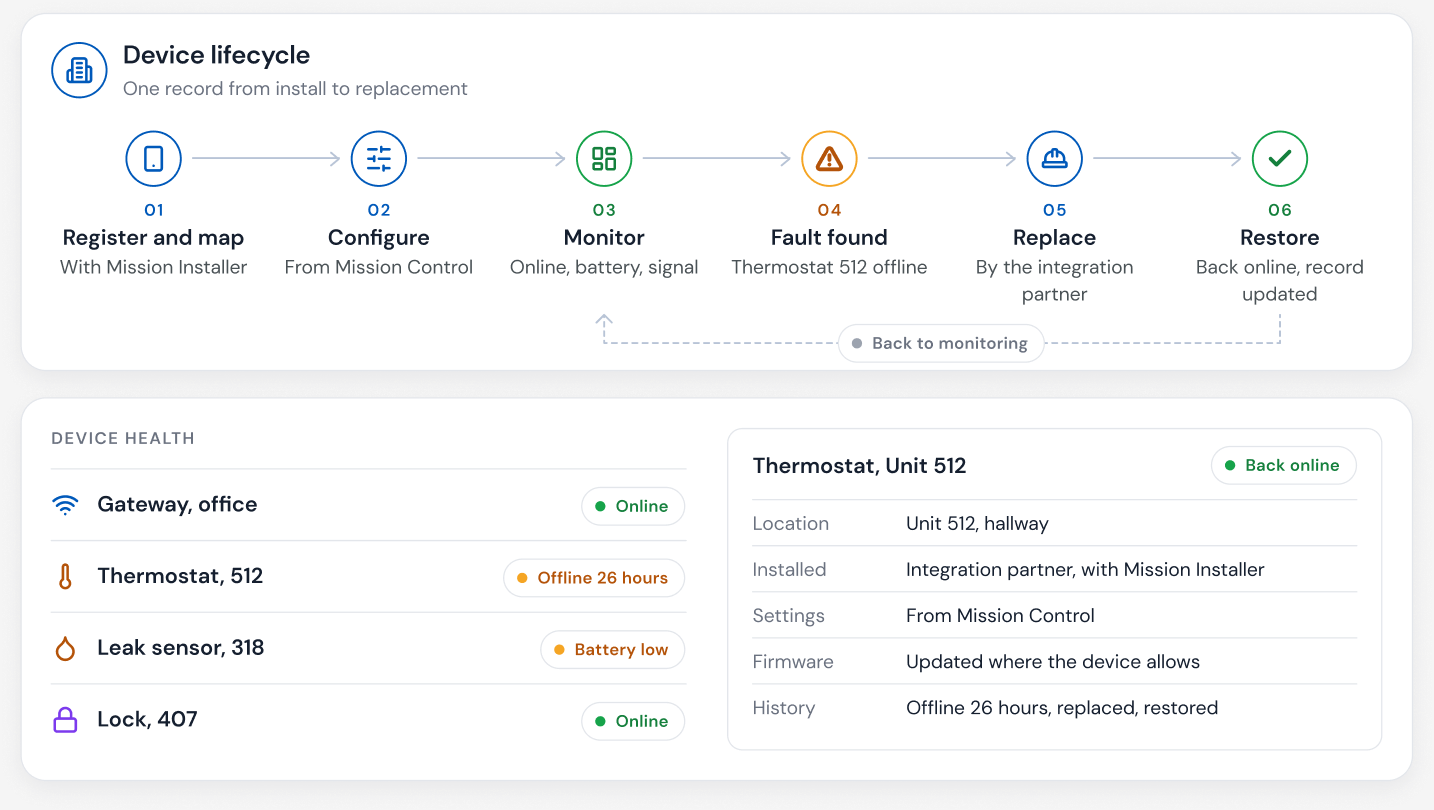
Della OS also automatically monitors every connected device, such as thermostats, locks, leak detectors and access control. When thermostats start dropping offline or a unit can't reach its setpoint, staff see it on the dashboard, often before a resident calls, and can tell whether it's one unit or a pattern across a floor.
See how vacant unit HVAC settings follow the lease, or how Della OS works with the UEI TIDE Touch thermostat.
Frequently asked questions
What is a building automation system?
A BAS monitors and controls central building equipment such as heating and cooling plant, ventilation and common area lighting, using sensors, schedules and setpoints.
Does a smart building platform replace a BAS?
No. A BAS should keep running the central plant. A smart building platform such as Della OS sits beside it and handles the occupancy work a BAS isn't designed for, such as unit access, resident services and devices inside units that follow the lease. With that unit level data in place, a property can often keep its BAS smaller.
Is building automation worth it for a small apartment portfolio?
Where there's central plant to run, yes. Where most equipment sits inside each unit, connecting unit thermostats to occupancy usually delivers more.
What is the best building automation platform for apartment operators?
The one that matches your equipment and works with the rest of the property. For central plant, that's a BAS your engineers can support. For units and residents, look for a platform that takes occupancy from your PMS and works with the thermostats you already have.
Does Della OS work with VRF systems?
Where a property connects them, yes. Della OS works with supported thermostats and controllers inside units, VRV and VRF systems and, where integrated, central plant equipment. Supported equipment varies by property.
Do we need new thermostats?
Not necessarily. Della OS connects supported thermostats, and compatibility is confirmed model by model before deployment.
Read about smart thermostats for apartments and how smart building software lowers operating costs, or book a walkthrough.